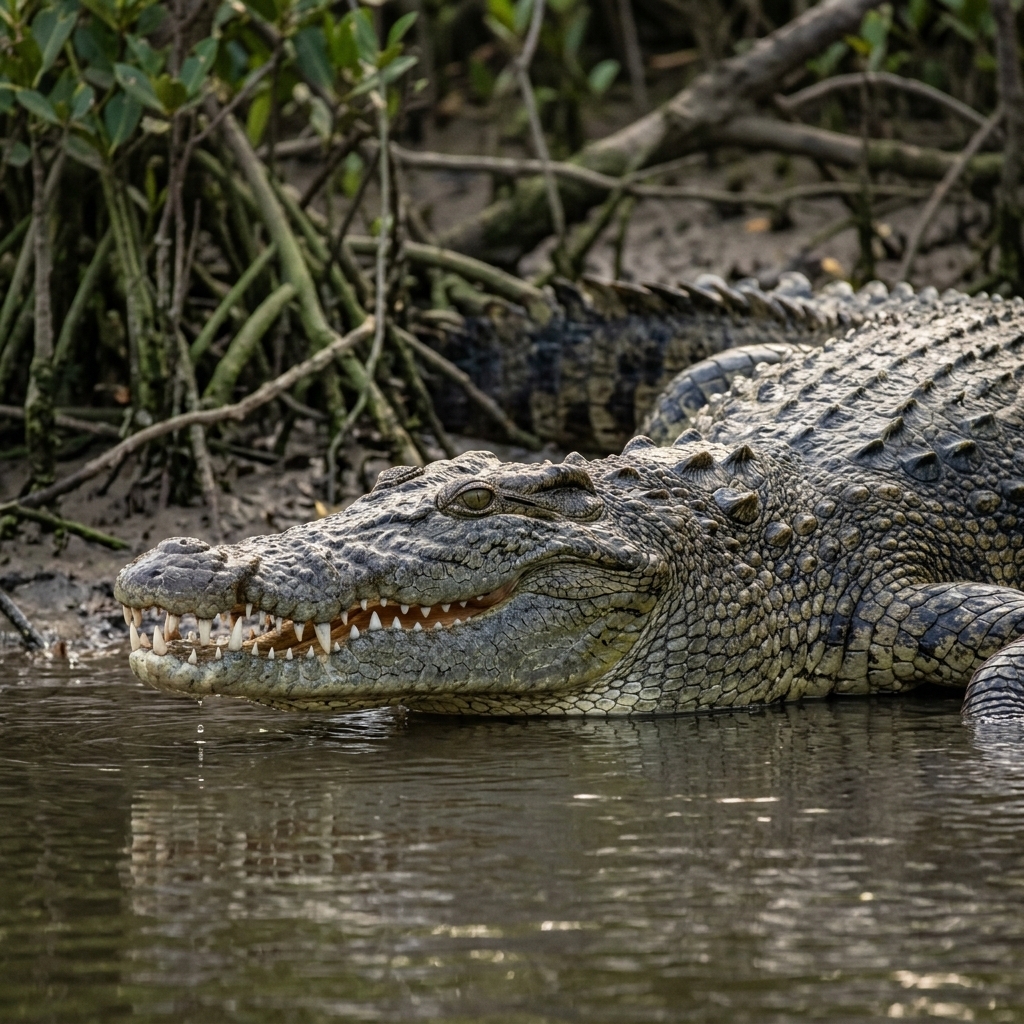
Crocodile in Pakistan: Complete Detail
Crawling out from murky waters, the crocodile waits – silent, still. With jaws built like steel traps and rows of needle-like teeth, it strikes fast. Swimming relies on a thick tail that cuts through water without effort. Meals often include fish, sometimes birds, now and then mammals caught too close. Across continents they linger: scattered in Africa, pockets in Asia, northern stretches of Australia, even remote corners of Central America. Within Pakistan, sightings happen only where nature is fenced off – wetland sanctuaries, guarded reserves, behind zoo glass.
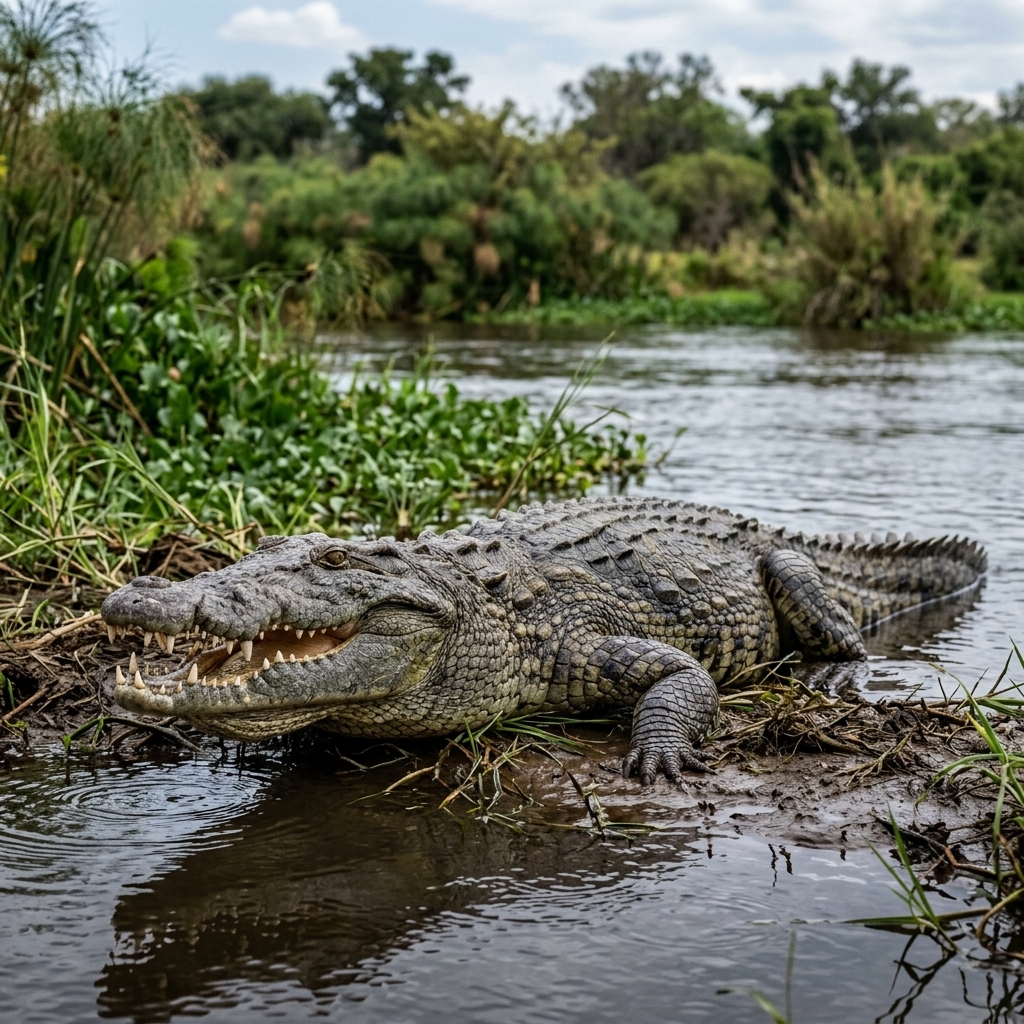
The Crocodile A Strong Hunter In Water
Water hides them well, thanks to their strong tail pushing through. A long body stretches out, paired with short legs that crawl slowly on land. Waiting quietly beneath the surface takes patience – something they have plenty of. Swimming fast becomes possible when the tail swings side to side.
Water is where crocs hang around most. Quiet they lie until something gets too near – then fast they strike.
Physical Traits and Distinctive Characteristics
The crocodile has many unique physical features:
- Long and heavy body
- Strong tail for swimming
- Sharp teeth and powerful jaws
- Thick rough skin
- Short but strong legs
- Excellent eyesight and hearing
Some come painted green. Others appear in shades of gray. A few models feature a brown finish instead
Habitat and Distribution in Pakistan
The Crocodile lives in some natural water areas of Pakistan. People can find crocodiles in:
- Rivers
- Lakes
- Wetlands
- Marshes
- Wildlife sanctuaries
Crocs turn up now and then in city spots like Karachi, Lahore – places built for animals to stay. Wildlife centers keep them too.
Behavior and Adaptability
Besides being powerful, crocodiles show surprising smarts. In rivers they thrive, yet certain shore areas work just as well. Solitary by nature, these animals fiercely guard what they claim.
Resting by rivers takes up much of their time, sometimes just drifting along the surface. When something moves close – threat or meal – they strike fast.
Diet and How Animals Hunt
Crocodiles survive on flesh they catch themselves. Meat makes u every meal these reptiles eat.
Food Sources
Crocodiles eat:
- Fish
- Birds
- Frogs
- Small mammals
- Deer near water areas
- Turtles
- Snakes
- Dead animals
Crocodiles get their meals of meat or fish when keepers at wildlife parks and zoos feed them.
Hunting Strategies
Crocodiles lie still beneath the water’s surface. Waiting comes naturally when hunting. A sudden lunge breaks the silence – jaws snap shut with force. Sharp teeth hold tight, locking onto movement. Stillness returns just as quickly as it was broken.
Faster movement through water comes from their powerful tail when chasing prey.
Interaction with Human Environments
Out in Pakistan, crocodile safety happens inside protected wild zones and park borders. Learning about reptiles like crocs draws visitors into zoo spaces now and then.
Wildlife experts provide crocodiles with:
- Food
- Clean water
- Safe habitat
- Medical care
People should stay away from wild crocodiles because they are dangerous animals.
Reproduction and Life Cycle
Crocodile lifespans hold clues few think about when protecting cold-blooded animals.
Breeding Season
When mating season comes, female crocodiles do more than lay eggs. They gather soggy plants, mud, and tall grass near the water’s rim. These mounds form where dry earth blends into marshy spots. Built without exactness, they rely on deep habit instead of careful design.
Eggs and Baby Crocodiles
Out of one nest come dozens of eggs laid by a female crocodile. After many days pass, little crocodiles split their egg casings, coming out bit by bit.
Soon after breaking free, the little ones stick nearby since she watches nonstop. Threats shrink as she steps into harm’s path, staying close.
Cultural and Ecological Importance
Cultural Importance
Crocodile strength grabs attention, their old-world look adding to the appeal. Stories feature them, along with TV shows about wild animals.
Ecological Importance
Out in the water, crocs keep things steady by watching over who eats whom. When fish numbers rise too high, they step in – so smaller creatures get a chance. Their presence means meals flow naturally from one level to the next. Without them, some species might take over without warning.
Conclusion
Water hides its strength beneath stillness – crocodiles move through it like shadows shaped by time. Powerful jaws snap shut with force few creatures match, making them fierce hunters in their world. Rivers host these ancient animals, along with swamps where life thrives in tangled green. Zoos in Pakistan shelter some, offering refuge far from shrinking wild spaces. Conservation grows quietly there, one protected habitat at a time. Nature holds balance when such predators remain part of the chain.
FAQ’s
What is a crocodile?
A crocodile is a large carnivorous reptile known for its strong jaws and sharp teeth.
Where do crocodiles live in Pakistan?
Crocodiles live in rivers, lakes, wetlands, wildlife sanctuaries, and zoos in Pakistan.
What do crocodiles eat?
Crocodiles eat fish, birds, frogs, turtles, snakes, and other animals.
Are crocodiles dangerous?
Yes, crocodiles are dangerous predators and can attack animals and humans if threatened.