Cow in Pakistan: Complete Detail
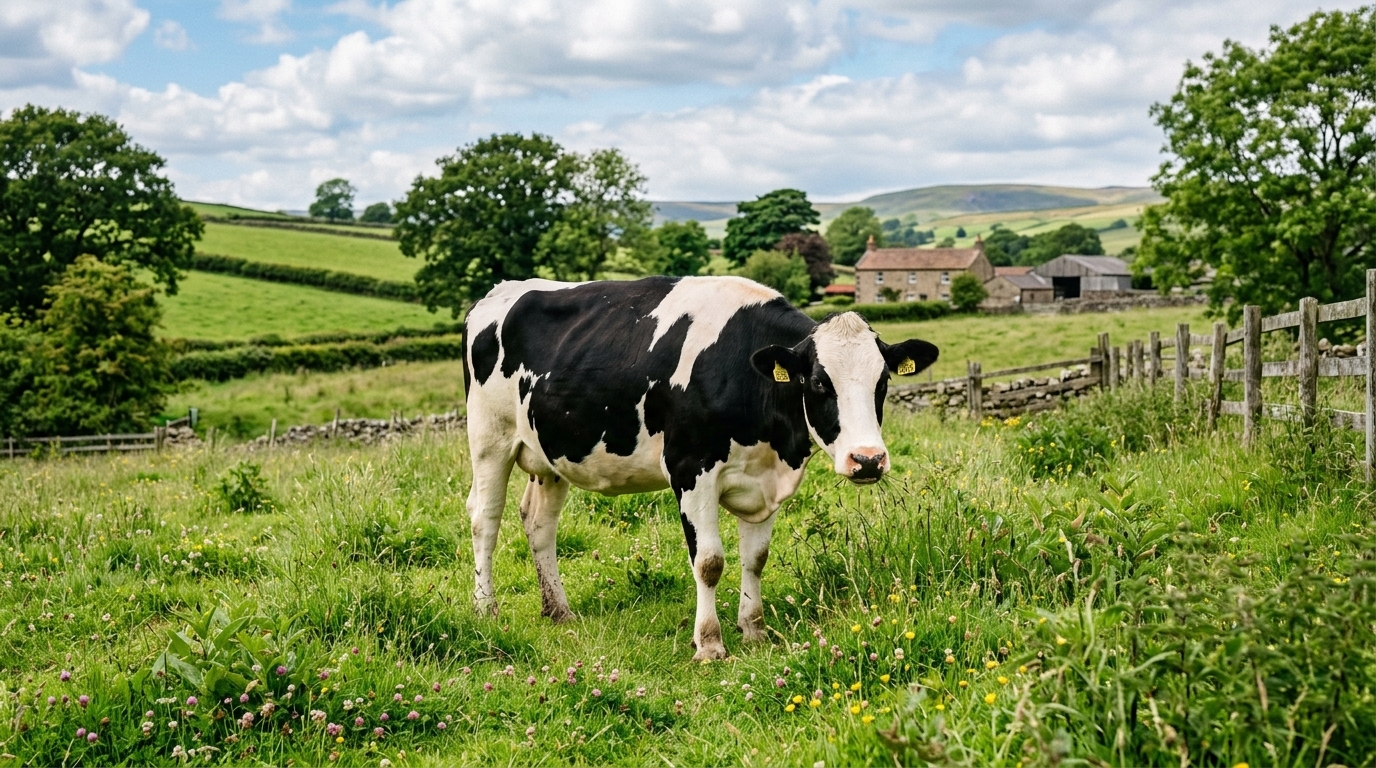
Right there among farm animals, the cow stands out globally. Held for milk production alongside beef supply, they pull weight on fields too – also part of planned mating cycles. Quiet creatures, yet packed with practical value for those working the land. Across Pakistan, you’ll spot them everywhere: country lanes, small towns, open farmland stretches.
The Cow An Important Farm Animal
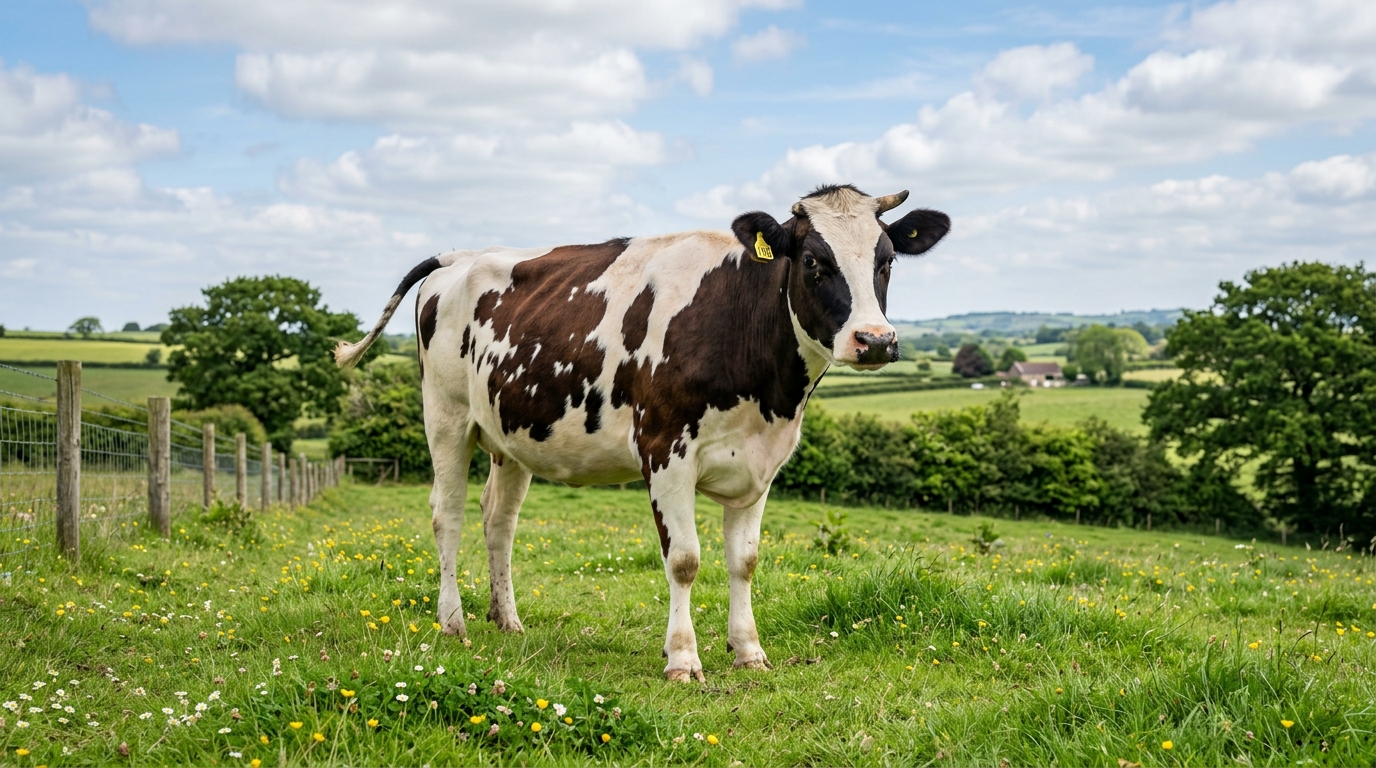
Cows tend to move through life at an easy pace, sticking close to their herd. Milk flows daily from these animals, which helps keep pantries full across many homes. Working alongside humans, they play a role in growing food on open land. Breeding pairs form part of the rhythm on most homesteads where calves are born each season. Their presence ties deeply into how some families manage livestock year after year. Besides chewing on green blades, they nap often under wide skies. Moving slowly across fields forms part of their daily rhythm. These creatures stay calm even when surrounded by others like them. Group life suits them well, perhaps because comfort grows in numbers.
Physical Traits and Distinctive Characteristics
The cow has many special physical features
- Strong and heavy body
- Four strong legs
- A large stomach for digesting grass
- Long tail for protection from insects
- Soft skin with different colors
- Sharp sense of smell and hearing
- Large eyes and ears
Besides spots, some cows wear solid coats – think deep ebony or sun-bleached ivory. Others carry patches that blend like spilled paint on old linen. A few look painted by accident, half one shade, then suddenly another. Rare ones mirror foggy marble, swirling light and dark without order.
Habitat and Distribution in Pakistan
The Cow lives in almost every area of Pakistan. People keep cows in:
- Villages
- Dairy farms
- Rural areas
- Agricultural lands
- Private animal farms
Cows are very common in Lahore, Karachi, Islamabad, and many other cities and villages.
Pakistan has several famous cow breeds, including:
- Sahiwal Cow
- Red Sindhi Cow
- Cholistani Cow
- Dhanni Cow
Behavior and Adaptability
Cows enjoy company, often sticking close to people or other creatures on farms. Weather hardly matters much – so long as meals, fresh water, and cover stay steady. Living alongside us comes naturally; their calm habits fit well into daily routines. Most of their day involves chewing grass under open skies. Moving between patches of green keeps them busy in the sunlight.
Diet and Feeding Behavior
Cows chew on greenery found in fields. Grass, leaves, and weeds fill their daily meals.
Food Sources
Cows eat many types of food, including:
- Grass
- Hay
- Wheat straw
- Corn feed
- Fresh vegetables
- Grains
- Silage
- Green fodder
Cows get extra minerals because their diet needs more than grass alone. Water stays fresh, so animals drink enough each day.
Feeding Behavior
Cows spend many hours chewing food. They first swallow food and later chew it again. This process helps cows digest grass properly.
Importance of Cows in Pakistan
The Cow plays a very important role in Pakistan’s agriculture and dairy industry.
People use cows for:
- Milk production
- Meat production
- Farming support
- Breeding
- Dairy business
Cow milk is rich in nutrients, and many families use it daily for tea, yogurt, butter, cheese, and other dairy products.
Reproduction and Life Cycle
Cows go through stages that matter deeply in milk farming, plus how animals are raised. Each phase plays a role that few notice at first glance.
Breeding Season
Born after a stretch of roughly nine months, each calf arrives when its time comes. Through seasons shifting without a fixed pattern, mating among cows happens whenever conditions allow.
Calves and Family Care
A female cow usually gives birth to one baby called a calf. The calf drinks milk from its mother during the early months of life. Farmers take care of calves by providing food, shelter, and medical care. calves and family care
Cultural And Economic Significance
Cultural Importance
the practical gifts they offer. Their presence brings value, yet it is the quiet strength that truly stands out.
Economic Importance
Cows help power Pakistan’s rural economy, mainly through raising animals and producing milk. On small farms across the country, people make money from selling fresh milk along with young cattle and items like yogurt or ghee. Some families rely on these earnings to cover daily needs.
Conclusion
Often seen near villages, the cow moves slowly through fields across Pakistan. Milk comes from these animals every day, feeding many families regularly. Farm work gets easier because they pull carts or plow the soil when needed. Calm by instinct, they stand quietly even in busy farmyards. Worth rises not just for their output but how little they ask in return. Across rural areas, farmers depend on them without much thought – it simply works that way.
FAQ’s
What is a cow?
A cow is a domestic farm animal that people keep for milk, meat, and farming purposes.
What do cows eat?
Cows eat grass, hay, grains, vegetables, and green fodder.
What is a baby cow called?
A baby cow is called a calf.
Why are cows important in Pakistan?
Cows are important for milk production, dairy farming, agriculture, and livestock business in Pakistan.