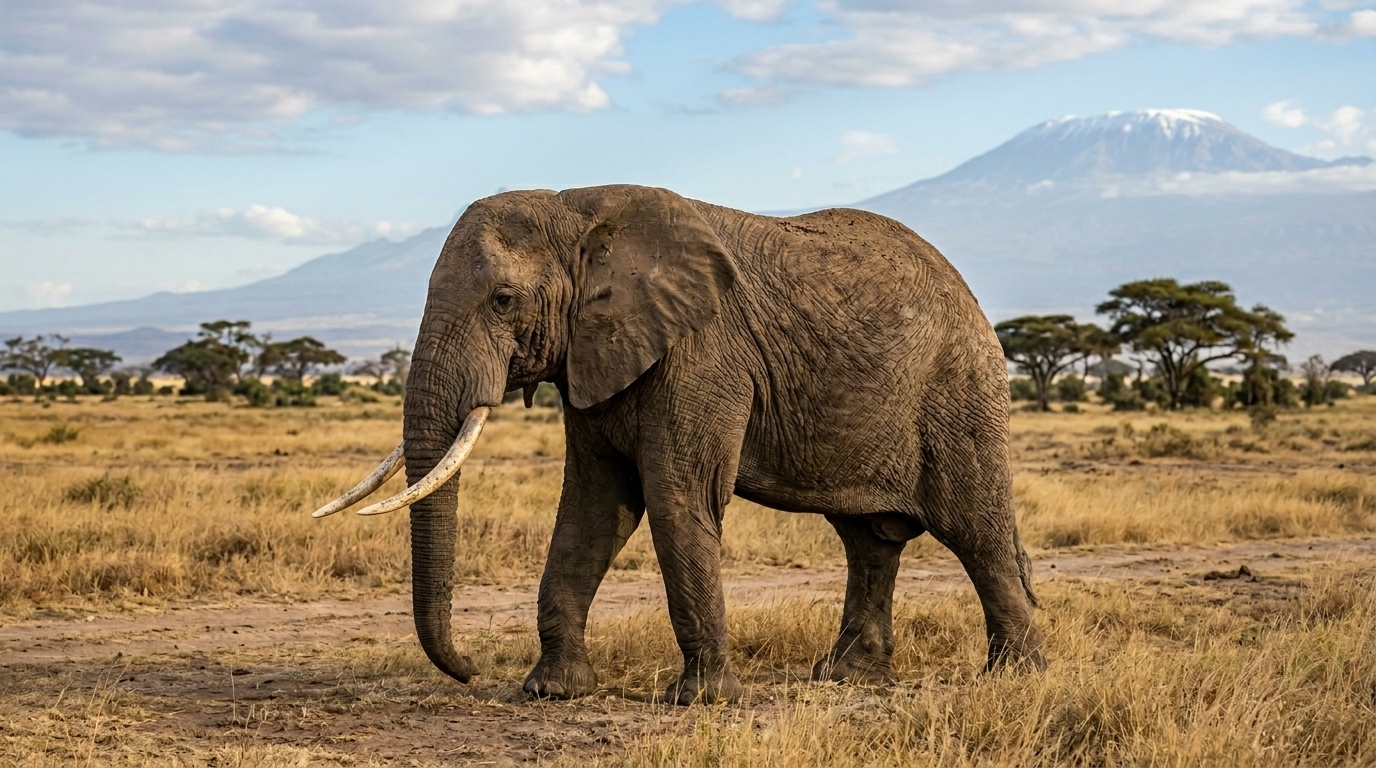
Elephant in Pakistan: Complete Detail
Big, powerful – elephants rank among Earth’s largest land creatures. Known by many for a massive frame, floppy ears, and that lengthy nose used like a hand. Smarts show in how they act, not just how they look. Peaceful by nature, these animals stick close to others. Groups, often named herds, become their home base. Today, you won’t find elephants roaming free across Pakistan. Instead, they’re looked after in places like zoos, safari parks, or conservation sites – safe but far from natural habitats. https://wildrushpk.com/horse-in-pakistan-complete-detail/
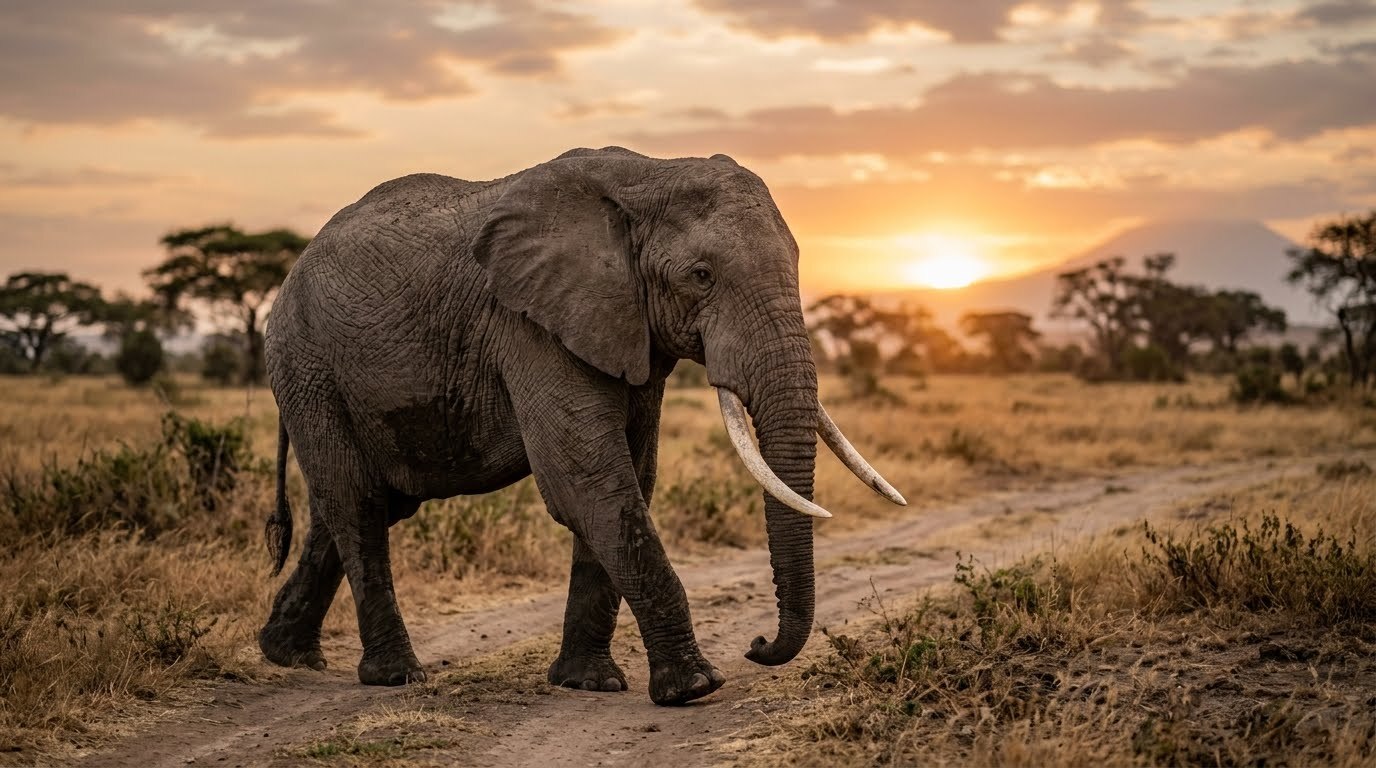
The Elephant: The Giant Land Animal
Big ears catch sounds from far away. That gray giant moves slowly but steadily across open land. Its feet press deep into soft soil with each step forward. Water sprays up when it sucks liquid through a twist of muscle. Leaves disappear fast once the nose wraps around branches. Low rumbles travel between hidden messages others feel in their bones. Surprisingly large, elephants think deeply about their world. Memory runs deep in them, tied closely to how they feel. Over time, certain noises stick – familiar voices, faces, locations remain clear.
Physical Appearance and Unique Features
The elephant has many special physical features:
- Very large and heavy body
- Long trunk
- Large ears
- Thick gray skin
- Strong legs and feet
- Long tusks in some elephants
- Small eyes with good memory and intelligence
An adult elephant can weigh between 2,000 to 6,000 kilograms depending on the species.
Habitat and Distribution in Pakistan
Nowhere in Pakistan’s forests do wild elephants roam today. Still, a few survive within enclosures – kept by humans
- Zoos
- Safari parks
- Wildlife parks
- Rescue and care centers
People can see elephants in wildlife parks and zoos in Lahore, Karachi, and other large cities.
In other countries, elephants live in forests, grasslands, and jungle areas of Asia and Africa.
Behavior and Adaptability
Walking ahead, older females lead elephant families day after day. Bonded by time, each group moves as one thanks to long-shared days. Deep rumbles roll through the air, yet soft touches carry meaning too. If a young one falters, another moves near, leading without force. One misstep brings calm presence from kin standing close. In silence, bodies shift in patterns full of intent. Sound shapes their world, but so does the slow lean of a shoulder. Footsteps follow hunger, always on the move. Thick woods slow their pace as trunks block easy passage. After rain, green bursts pull herds toward bare ground. When skies stay clear, wet hollows guide their steps. Nothing steers their route like the search for water.
Diet and Feeding Behavior
Each mouthful a elephant eats comes from plants. Through its trunk, grass finds its way in, then leaves, sometimes rough pieces of bark too.
Food Sources
Elephants eat many kinds of plant-based food:
- Grass
- Leaves
- Fruits
- Tree bark
- Roots
- Sugarcane
- Bananas
- Small plants
In zoos and wildlife parks, caretakers also provide vegetables and special animal feed.
Feeding Behavior
Every day begins with chewing – tons of greens vanish by noon. Grass, leaves, bark – all pulled fast with that twisting trunk. Water rises up inside it, tipped straight in. By late light, a full grown one may have swallowed more than three hundred pounds.
Interacting With Human Spaces
Out there beyond city streets, elephants stand tall in Pakistani zoos, scattered through a few protected wild spaces too. Massive shapes shift slowly behind barriers, pulling eyes without effort; still, it is smart little moves they make that keep people watching.
Animal experts provide elephants with:
- Fresh food
- Clean water
- Safe shelters
- Medical treatment
Elephants gain better safety when certain animal-focused crews step in. Not just protection, their daily care gets stronger too through these efforts.
Reproduction and Life Cycle
The life cycle of elephants is very important for wildlife conservation.
Breeding Season
Born under different stars, elephant calves arrive after seasons shift multiple times. That lengthy wait – close to twenty-four months – is one of nature’s slowest builds.
Calves and Family Care
Baby elephants arrive one at a time, stepping into life while their mothers look on. Near her, warmth and food come first. Doing things teaches what words cannot. Little elephants stay out of harm’s way because the whole family moves as one. While some grown-ups take a break, a couple keep watch without stopping. Through tangled trees and tall grass, an elder often guides the path ahead. Right after come the young, copying every move they see. Safety shows up quiet, built by constant looking around.
Cultural and Ecological Importance
Cultural Importance
Big in size, though soft in manner, elephants gain admiration by simply being wise without noise. Tales pull them into view, not merely as creatures but as presences shaped deep within our shared past. Kings appear beside them in old records, also war scenes carved long ago. When celebrations come, they walk with calm pace through roads, covered in color and cloth. Laughter spills through animated scenes where trunks wiggle like silly arms. Across quiet savannas, real-life footage follows slow treks under pale suns.
Ecological Importance
Footsteps of elephants carve trails where tiny animals wander free. While munching on fruit, they carry seeds within, dropping them miles away. Forests stay in check because these giants roam long distances every single day.
Conclusion
Heavy steps, soft eyes – elephants carry wisdom few animals match. Their past stays with them, guiding each choice. In Pakistan, zoos offer room where danger does not reach. People draw near, not for contact, but to hear lessons spoken without words. Watching here becomes something deeper, though no one promises it will.
FAQ’s
What is an elephant?
An elephant is a very large land animal famous for its trunk, tusks, and intelligence.
Where can people see elephants in Pakistan?
People can see elephants in zoos and wildlife parks in Pakistan.
What do elephants eat?
Elephants eat grass, leaves, fruits, bark, roots, and other plant-based foods.
What is a baby elephant called?
A baby elephant is called a calf.