Big Four Snakes in Asia and Their Antivenom
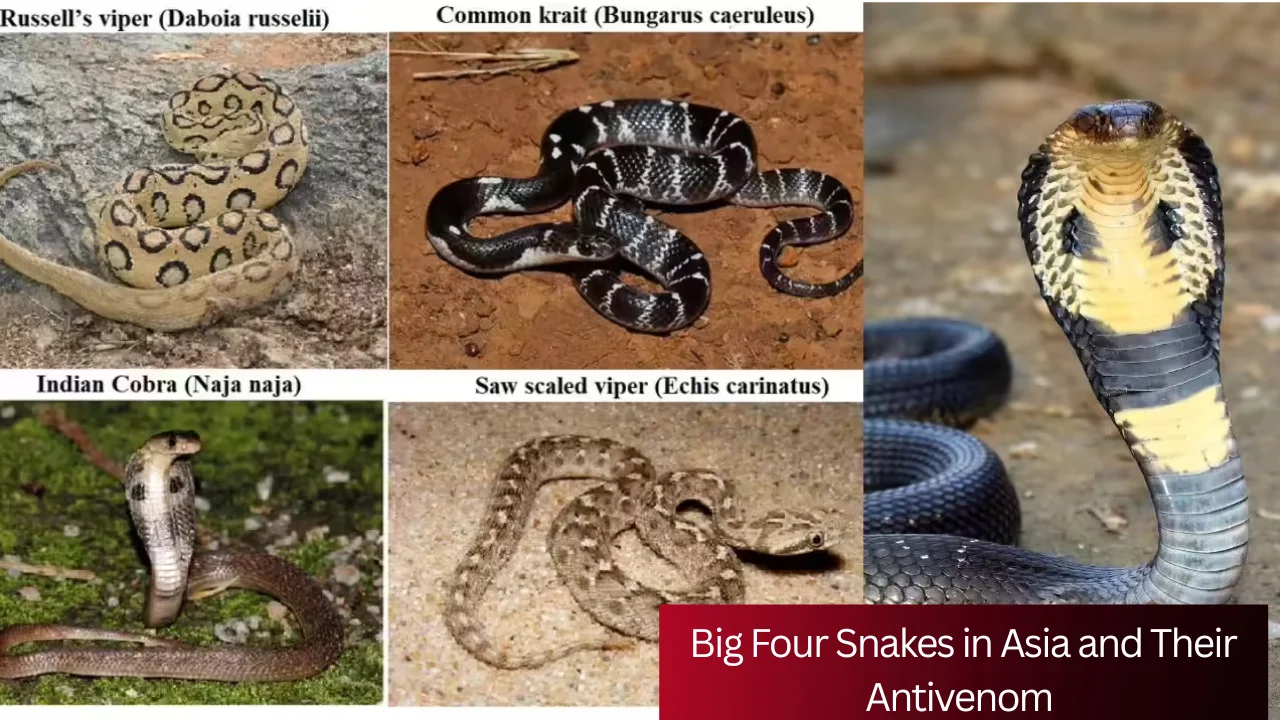
Big Four Snakes Antivenom. Snakebite is a very serious problem. The four main snakes are very dangerous: the Indian Cobra, Common Krait, Russell’s Viper, and Saw-scaled Viper. These snakes affect thousands of people every year and can be fatal if timely treatment is not provided. These four types of the same snake antivenome are not different. Antivenom is used in snake bites. If a different snake bites people, then the different antivenom is used
Where Do Snakebites Occur Most in Asia
Snakebites in South Asia mostly occur in rural and agricultural regions, and Pakistan is one of the most affected countries. In Pakistan, people living in villages, farming areas, and flood-prone regions face the highest risk. These areas often have poor housing conditions, open fields, and close contact with nature, which increases encounters with snakes. Because there is no recent official data after 2007, experts believe the actual number of snakebites is much higher than reported.
Most Common Venomous Snakes in Pakistan
In Pakistan, most dangerous snakebites are caused by the well-known “Big Four” snakes, including the Indian cobra, Common krait, Russell’s viper, and Saw-scaled viper. These species are widely found in fields, rural homes, and dry areas. Their venom is highly dangerous and responsible for most serious cases and deaths in the country.
How Dangerous Are Snakebites in Pakistan?
Snakebites in Pakistan can be extremely dangerous, especially when treatment is delayed. The venom affects the body in different ways depending on the snake. Some snakes, like cobras and kraits, attack the nervous system and can cause paralysis and breathing failure, while others, like vipers, damage blood and tissues, leading to severe pain and internal bleeding. In many rural areas, people cannot reach hospitals quickly, which increases the risk of death.
What Happens After a Snakebite?
When a person is bitten by a venomous snake, the effects can start within minutes or may take a few hours. Victims may feel weakness, difficulty breathing, blurred vision, or severe pain and swelling. In serious cases, the venom can damage organs such as the kidneys or cause paralysis. If proper medical treatment is not given in time, the condition can become life-threatening.
Availability in Pakistan Anivenom
In pakistan antivenome avalaible in the health hospitals. However, access to this life-saving treatment is still limited. Many rural hospitals do not have enough supplies, and the medicine is expensive and requires proper storage conditions. Because this antivenome does not reverse all peopls cause of the death.
These antivenome is for one of four snake bites. This antivenom is available in the government hospitals. This antivenome is very helpful to save the life off peopls.
Missing Data on Snakebite Cases
The snake bite case is not recorded in the Pakistani hospitals. People in rural areas often rely on traditional healers instead of going to hospitals, which leads to delays in proper treatment. There is less awareness about the antivenom of the snakes this cause of data collection issues. This result impact of the peopls life increse the death of a person.
Why Snakes Are Important for Ecosystems
Although snakes are dangerous, they play an important role in maintaining balance in nature. In Pakistan, they help control the population of rats and pests that damage crops. Without snakes, agricultural losses could increase, and ecosystems would become unstable.
How to Prevent Snakebites in Pakistan
- Keep homes and surroundings clean to avoid attracting snakes.
- Rural areas avoid sleeping directly.
- During work, wear shoes on the feet.
- Seek immediate hospital treatment after a snakebite—do not rely on traditional remedies.
- Acting quickly can save lives.
Conclusion
Snakebites are a serious but often ignored problem in Pakistan and South Asia. They mostly happen in rural areas where healthcare is limited. Lack of data, delayed treatment, and scarce antivenom make them very dangerous.
To reduce snakebite deaths, it is very important to raise awareness among people living in villages so that they can seek timely medical treatment. With better reporting and access to antivenom, many lives can be saved, and this silent problem can be controlled more effectively.
FAQs
Where do most snakebites occur?
Primarily in rural areas of Pakistan, such as farms and villages.
Which snakes are most dangerous?
The “Big Four”: Indian cobra, Common krait, Russell’s viper, and Saw-scaled viper.
Why are cases underreported?
People often don’t go to hospitals, so cases are not recorded.
What to do after a bite?
Go to the hospital immediately for treatment.