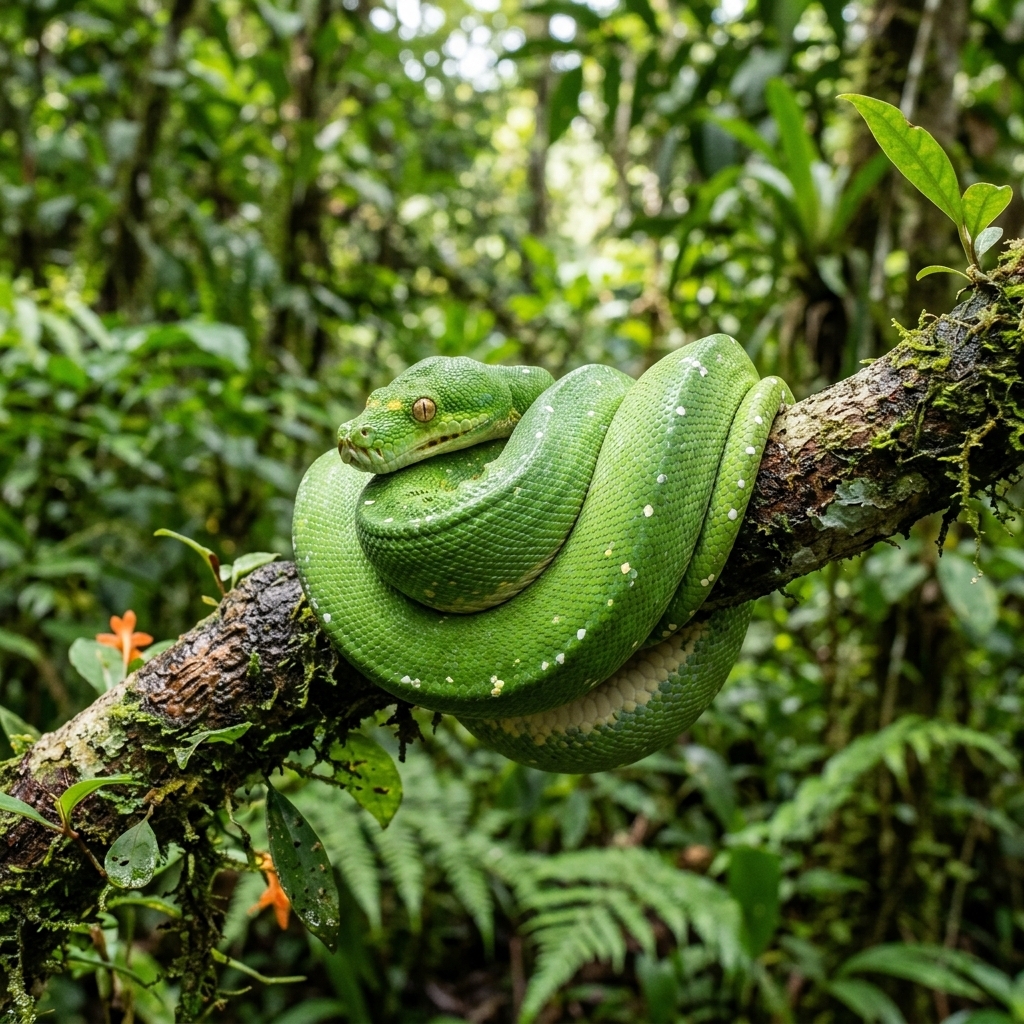
Snake in Pakistan: Complete Detail
Far beyond what legs might manage, the snake flows across deserts cracked by sun or rests curled in cool patches under trees. Shaped like a strip of cloth tossed sideways by air currents, it follows silent inner cues buried deep in time. While certain ones slip past without threat, danger hides in others – venom tucked just behind delicate teeth. Where terrain opens space, they take root: stony hills murmur faintly at their passing, while crops hide paths never seen. When hunting begins, things tilt – rats disappear quicker, bugs fade quietly. Space stays open for them, though most never invite them near. https://wildrushpk.com/crocodile-in-pakistan-complete-detail/
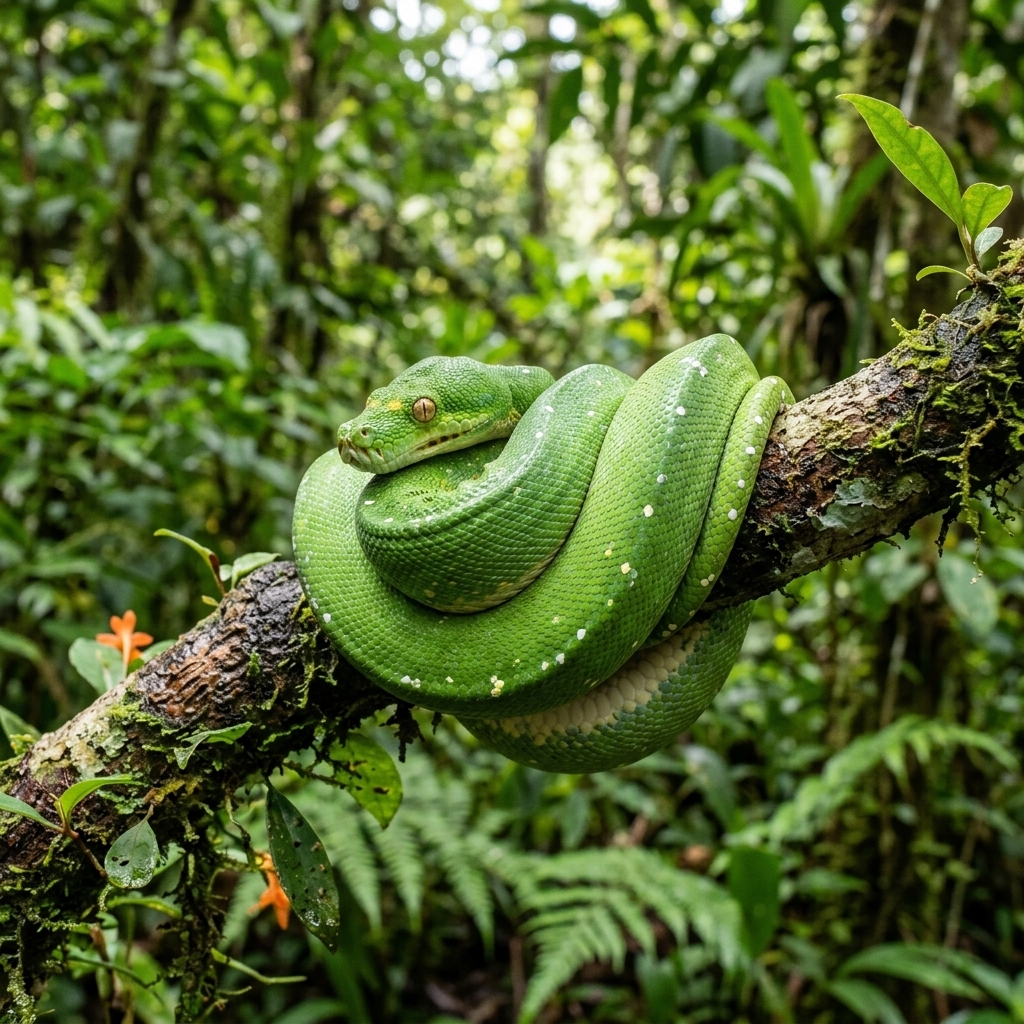
The Snake A Unique Reptile
Slithering low, the snake is part of the reptile group. Its stretched frame wears a coat of small overlapping plates. Movement happens through gentle pushes along surfaces. Without limbs, it still glides forward fast, flowing like water over the earth. Snakes might be crawling through grass, slipping into rivers, or curling around branches – each kind picks its own spot. When sunlight hits, plenty stay tucked away, waiting until shadows stretch long across the ground.
Physical Appearance and Unique Features
The snake has many special physical features:
- Long and flexible body
- Smooth or rough scales
- Forked tongue
- Sharp eyesight and smell
- No legs or ears
- Strong jaws for swallowing prey
- Different body colors and patterns
Some snakes are small, while others can grow several meters long.
Habitat and Distribution in Pakistan
Many types of snakes live in Pakistan. People can find snakes in:
- Forests
- Deserts
- Mountains
- Grasslands
- Farms
- Riversides
Some common snakes in Pakistan include:
- Cobra
- Russell’s Viper
- Krait
- Rat Snake
- Python
Snakes live in both hot and cold areas, depending on the species.
Behavior and Adaptability
Slithering through shadows, snakes keep to themselves. When a person comes near, fear might make one strike. Slithering through forests, snakes find their way almost anywhere. When tree branches sway, certain kinds grip tight; elsewhere, some cut through rivers like shadows. Hidden beneath soil, a few stay out of sight entirely. With bodies built long and flexible, squeezing into cracks becomes second nature.
Diet and How Animals Hunt
Survival means hunting for the snake. Other creatures become its meal, because it needs meat. Meat keeps it alive, so it searches constantly.
Food Sources
Snakes eat different types of food, including:
- Rats
- Mice
- Frogs
- Birds
- Eggs
- Fish
- Lizards
- Small animals
Frogs might get swallowed whole by big serpents slithering through wetlands. Rabbits vanish into their jaws when caught off guard near burrows.
Hunting Strategies
Slithering through grass, some snakes inject poison into their target. Not every kind relies on that – many wrap themselves around victims instead. Without teeth for grinding, meals go down just as they are. Whole swallowing happens since chewing is off the table.
Interaction with Human Environments
Farms, homes, or whole villages – snakes show up there when they need a meal or a safe spot. Sometimes it’s hunger that pulls them close; other times, just the need to hide drives them in. Out in the open, wildlife experts move risky snakes away from towns without harm. Though plenty dread these creatures, they stick around farms because rodents get eaten instead.
Reproduction and Life Cycle
Snakes grow through stages that quietly shape the natural world around them. Their presence weaves into forests, deserts, and wetlands without fanfare. Each phase they pass through feeds into a change in surprising ways. What looks like a simple journey actually holds steady influence across habitats. From birth onward, their path stirs shifts that others depend on.
Breeding Season
Warm months bring mating for many kinds of snakes. When it comes to new young, some females drop eggs while others deliver live babies – it varies by type.
Baby Snakes
Right away, newborn snakes manage just fine without help. From the beginning, they go after tiny prey like bugs and little creatures.
Cultural and ecological importance
Cultural Importance
Stories often feature serpents weaving through plots across films, legends, and customs. In certain societies, they carry meanings tied to peril, insight, or strength.
Ecological Importance
Out in the wild, snakes keep things steady by eating rats and unwanted bugs. Because of them, many animals higher up have something to eat.
Conclusion
Slithering through forests or hiding in fields, the snake stands out among reptiles. Though danger comes with certain types, plenty keep crops safe by eating destructive bugs. A bendable spine allows quiet moves toward prey. Sharp instincts guide how they survive tough spots. Few creatures match their mix of stealth and strength.
FAQ’s
What is a snake?
A snake is a long, legless reptile found in many environments around the world.
Where do snakes live in Pakistan?
Snakes live in forests, deserts, farms, mountains, and grasslands in Pakistan.
What do snakes eat?
Snakes eat rats, frogs, birds, fish, eggs, and other small animals.
Are all snakes dangerous?
No, many snakes are harmless, but some snakes are venomous and dangerous.