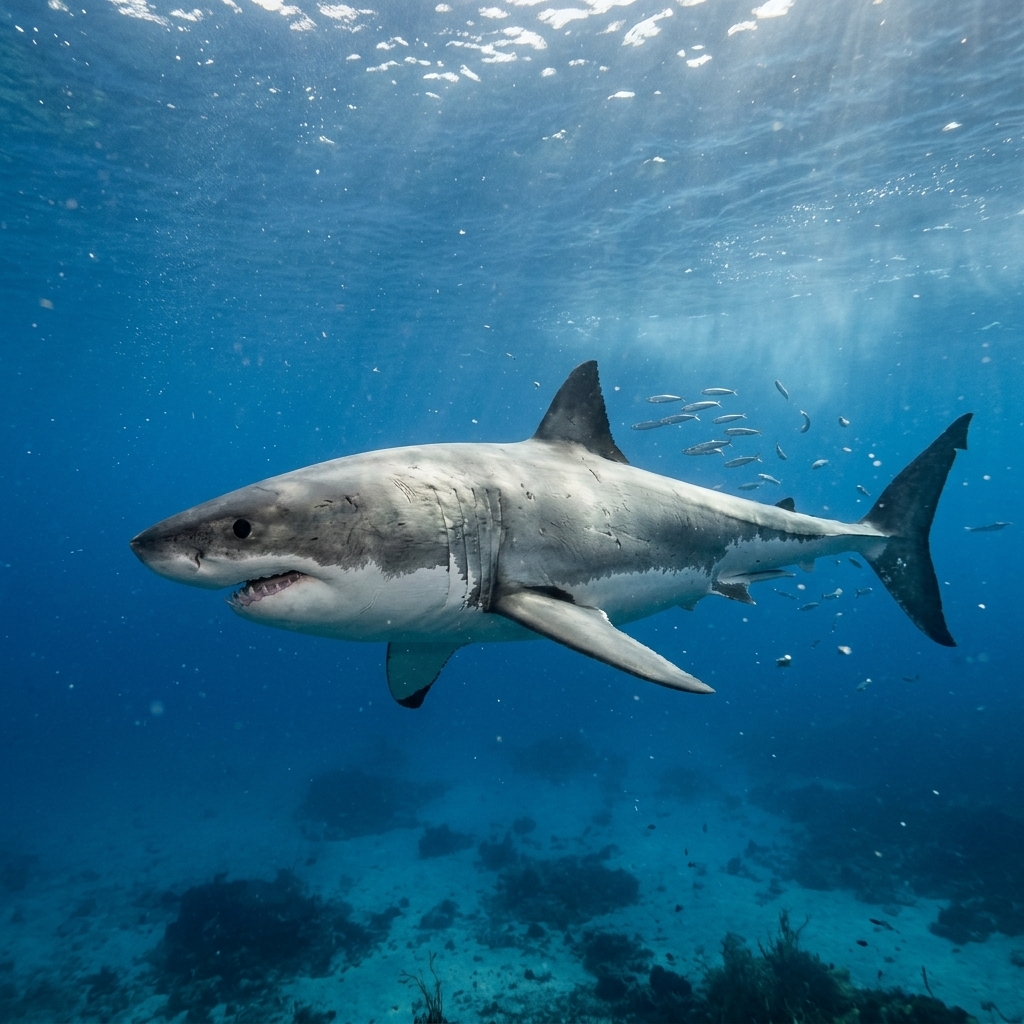
Shark in Pakistan: Complete Detail
Fierce, silent hunters, sharks rule deep waters across Earth. Their pointed teeth catch eyes first, yet it’s their quick movement through waves that sets them apart. Found nearly everywhere salt water flows, they glide below surfaces far and near. Along shores where land meets tide, two regions in particular host these forms: coastlines tied to Sindh, others stretching through Balochistan – all part of the Arabian Sea’s reach.
https://wildrushpk.com/bear-in-pakistan-complete-detail/
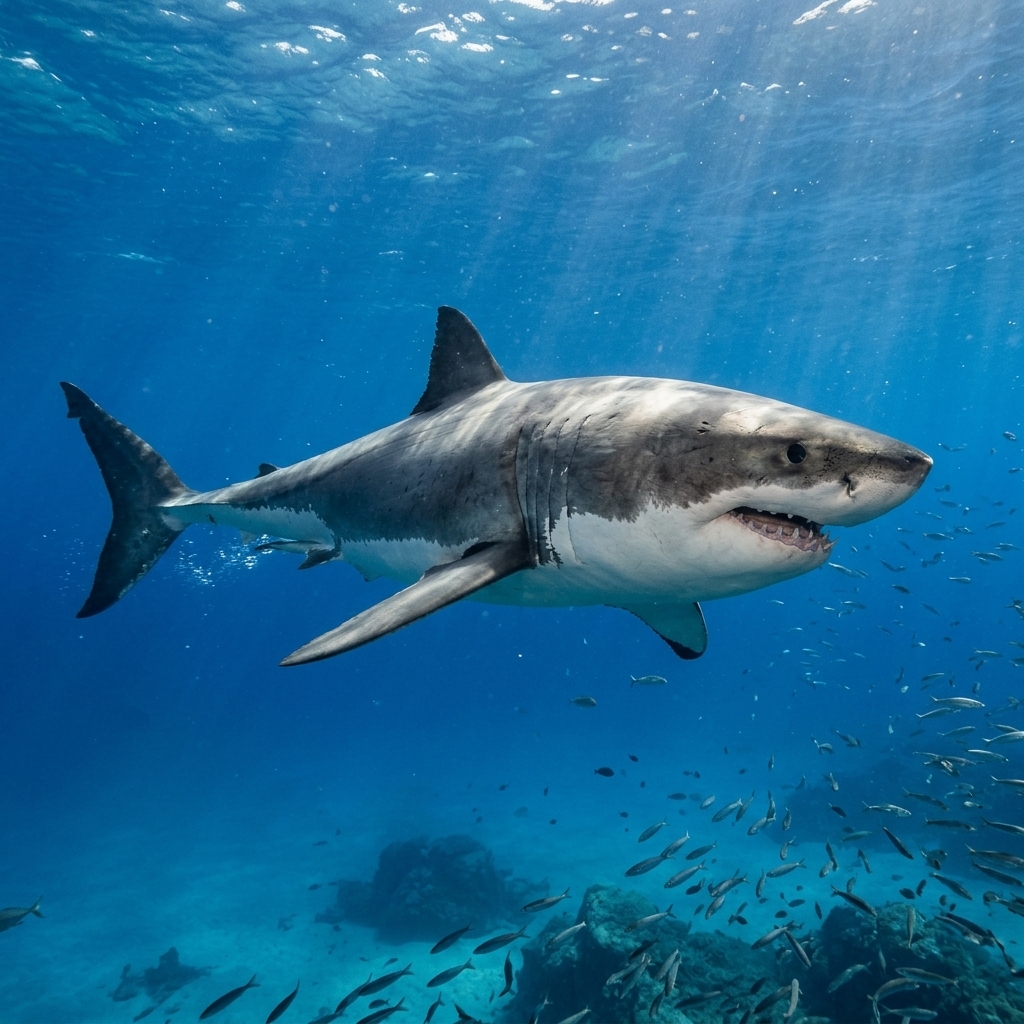
The Shark – A Powerful Sea Predator
Out in the deep, a shark moves – built tough, built to swim fast. Millions of years ago, they were already there beneath the waves. Because their senses are so fine, spotting dinner happens in an instant. Not every shark towers over people; many stay quite tiny. A few kinds stretch out longer than a city bus, though.
Physical Appearance and Unique Features
The shark has many special physical features:
- Strong and streamlined body
- Sharp triangular teeth
- Powerful fins for swimming
- Rough skin texture
- Sharp sense of smell
- Excellent hearing ability
- Strong jaws for catching prey
Different shark species have different sizes and colors. Some sharks weigh more than 1,000 kilograms.
Habitat and Distribution in Pakistan
Different species of sharks live in Pakistan’s coastal waters.
People can find sharks in:
- The Arabian Sea
- Coastal waters of Sindh
- Coastal areas of Balochistan
- Deep ocean waters
Some fishermen near Karachi catch small shark species during fishing activities.
Sharks usually live in oceans, deep seas, coral reef areas, and coastal waters around the world.
Behavior and Adaptability
Out in the ocean, sharks think more than we once believed. Though several kinds prefer solitude, others travel together now and then. Out in the open sea, certain sharks thrive where it’s chilly and dark. Warm shores host another kind, slipping through sunlit shallows. Not every shark needs the same water – some handle pressure, others prefer warmth. Deep down, life moves more slowly, yet they manage just fine.
Diet and How Animals Hunt
Floating through deep water, the shark feeds on creatures of the ocean. Hunting happens often when prey moves nearby.
Food Sources
Sharks eat many types of sea animals, including:
- Fish
- Squid
- Seals
- Small sharks
- Crabs
- Sea turtles
- Dolphins
- Dead sea animals
Large shark species can hunt very large prey in the ocean.
Hunting Strategies
Out in the open sea, a shark picks up traces of blood through its keen nose. Moving fast, it follows ripples made by struggling creatures. Close now, it surges ahead, driven by instinct. Its mouth opens wide, revealing rows of jagged teeth ready to bite down hard. Beneath the surface, a few sharks lunge without warning. Others linger at a distance, matching pace with their target until the moment shifts.
Interacting With Human Spaces
Pulling nets along the coast of Pakistan, fishermen haul up sharks now and then. Though certain kinds can be a threat, they seldom turn on people. Out in the deep water, scientists watch how sharks behave to learn about ocean balance. Meanwhile, groups focused on wild animals push hard to save types of sharks that are close to vanishing.
Reproduction and Life Cycle
Some sharks grow slowly, while others mature fast. Their journey changes a lot depending on the kind. One type might live decades; another finishes its path in just years. Starting as pups shapes how they move through oceans. Each species follows its own rhythm across time.
Breeding Season
Some sharks mate at certain points across the calendar year. Months go by while females hold their young – how long depends on which kind they are.
Baby Sharks and Growth
Pups is what baby sharks go by. A few females deliver their young alive, whereas some drop eggs instead. Right away, baby sharks move through the water while searching for food. Swimming begins at birth because survival depends on motion right from the start.
Cultural and Ecological Importance
Cultural Importance
Screens light up with sharks, way out past the shore. Found in movies first, then rerouted through documentaries and raw ocean clips. When they glide, it is without noise, only strength shaping each motion. What hides below finds its shape here – endurance carved into every turn.
Ecological Importance
Out in the deep blue, sharks quietly shape life below. Because they manage how many fish swim around. When one disappears, others thrive too much – sharks prevent that. Their presence holds the underwater web together, steady and whole.
Conclusion
Out in the deep blue, a shark moves with quiet focus. Fast through water, its body cuts like something built by time itself. Those teeth – row after row – snap shut when prey comes too close. Hunting happens without noise, just instinct and motion. Along Pakistan’s shores, these creatures glide beneath waves you might swim in. They balance the sea’s rhythm, unseen but essential.
FAQ’s
What is a shark?
A shark is a large sea fish known for its sharp teeth and hunting ability.
Where do sharks live in Pakistan?
Sharks live in the Arabian Sea near the coastal areas of Sindh and Balochistan.
What do sharks eat?
Sharks eat fish, squid, crabs, sea turtles, and other sea animals.
What is a baby shark called?
A baby shark is called a pup.