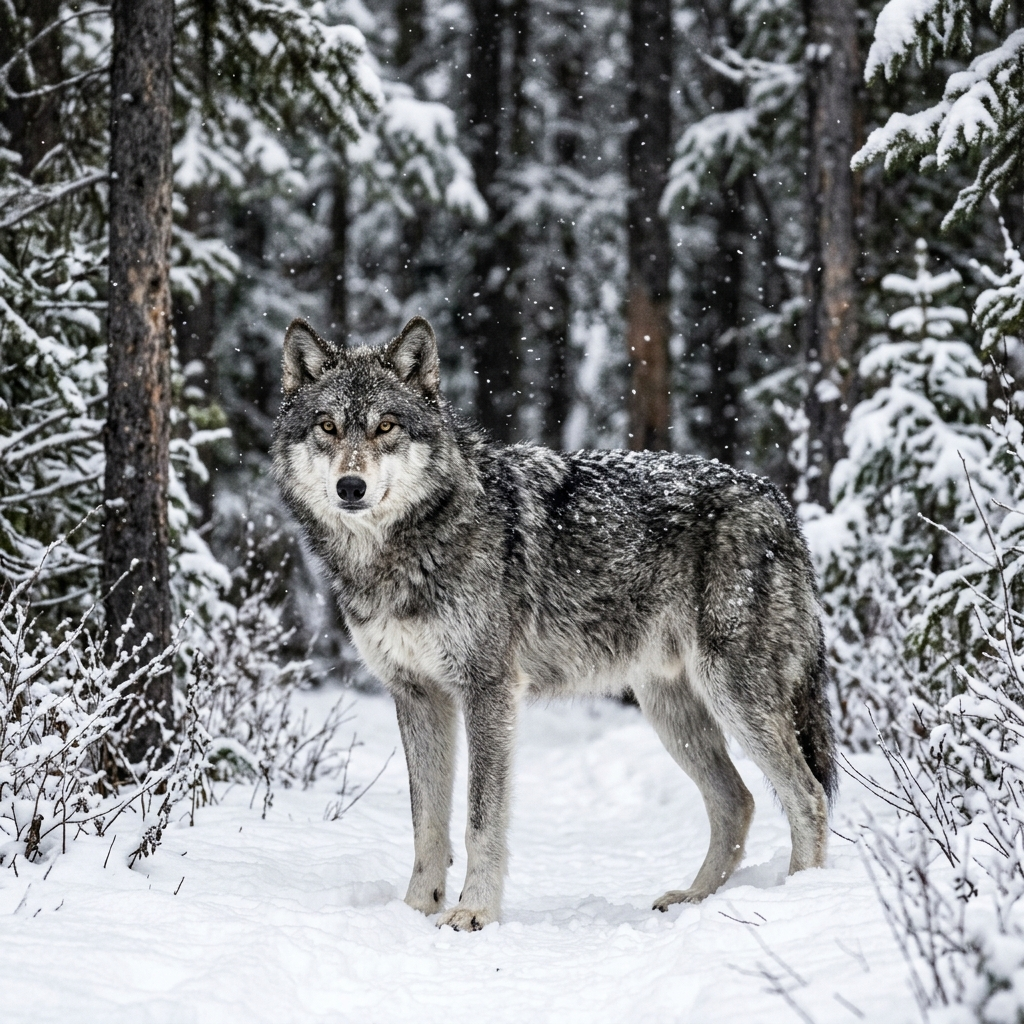
Wolf Complete Detail
A lone wolf moves through shadowed woods, muscles ready. Sharp eyes catch motion where others see only trees. These animals think ahead, plan each step like pieces on a board. Part of the dog lineage, they stick close to kin in tight circles known as packs. Speed surges when chasing prey across open ground. Hunting becomes second nature after seasons of trial. Teamwork shapes every move under moonlight. Wolves roam parts of Pakistan’s highlands, staying where trees thicken, and human paths fade. Where prey moves freely through rugged cold spots, they tend to follow. From rocky slopes down into shadowed woods, these animals settle without warning. Survival draws them toward hidden corners with cover nearby. Tiger Sighting Reported in Pakistan
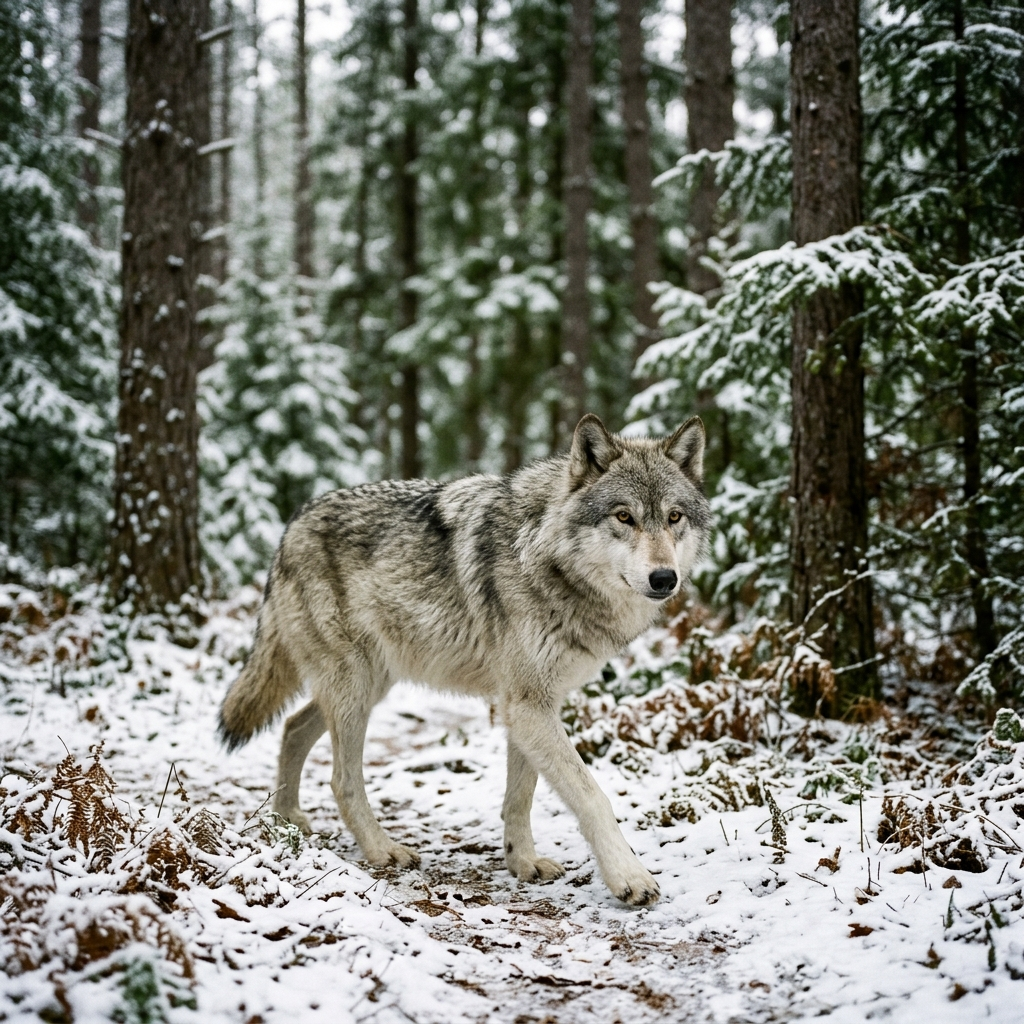
The Wolf – A Smart Wild Hunter
Out in the wild, a wolf moves with muscle and quiet force. Built tough, its frame carries heavy fur, perfect when temperatures drop. Sharp fangs aren’t just for show – they serve a purpose. When air turns still, one voice rises, then others join – not by chance but by signal. Sound travels far, linking pack members across distances. Howls carry warnings, locations, even moods – no words needed. Packs of wolves work as a unit when chasing prey. Because they coordinate, taking down big creatures becomes possible while watching each other’s backs.
Physical Appearance and Unique Features
The wolf has many special physical features:
- occasionally white
- Strong and muscular body
- Sharp teeth and claws
- Long legs for fast running
- Sharp hearing and smell
- Bushy tail
Sharp sight when the sun goes down. Clear gaze that cuts through darkness easily A full-grown wolf might tip the scales anywhere from 25 to 80 kilograms – size shifts with both kind and where it lives.
Habitat and Distribution in Pakistan
They lives in some wild and mountainous regions of Pakistan. Wolves are mostly found in:
- Mountain areas
- Forests
- Cold regions
- Grasslands
- Remote villages near forests
Wolves turn up now and then across parts of Gilgit-Baltistan. In the north, highland zones host them too. Balochistan sees its presence, scattered but clear.
Food, water, and a place to hide – wolves choose spots that offer these. Where meals are near, streams flow, and thick cover hides them, wolves settle in. Not just any land works; it must feed them, let them drink, keep them unseen. Their presence often means the wild parts still work as they should.
Behavior and Adaptability
Packs form when wolves stick together through thick seasons. These family units mix grown adults with playful youngsters learning the trails. Smart they may be, wolves stick together in tight groups. Body signals come first, then barks, growls, or long howls at dusk. Found where winters bite hard – thick woods, high slopes, open meadows – they adapt without question.
Diet and Hunting Behavior
A lone hunter, the wolf feeds on flesh. Because it needs energy, prey becomes its meal.
Food Sources
Wolves eat
- Deer
- Rabbits
- Goats
- Sheep
- Small mammals
- Wild birds
- Fish in some areas
- Dead animals in difficult conditions
Hunting Strategies
Out in the open, wolves move as a group when chasing food. Timing matters most once they close in – each waits, then strikes together. Fast runners, sharp hearing, clever coordination – all play their part without warning.
Hunting tends to happen after dark, though sometimes it shows up when temperatures dip. Sometimes they move under moonlight, yet daylight works if it is not too hot.
Interaction with Human Environments
Out here, where the land stretches flat, wolves show up close to homes just trying to eat. When hunger bites hard, they might take a goat or sheep instead of staying far off in the wild. Some who raise livestock keep watch at night, eyes scanning shadows beyond the firelight. Not every wolf means trouble – still, fear creeps in when something moves between trees after dark. Stopping fights between people and nature’s predators keeps some balance in play. Wolf safety comes through careful steps by those watching the woods.
Reproduction and Life Cycle
The life cycle of wolves is important for wildlife conservation.
Breeding Season
Wolves usually breed during winter. Female wolves stay pregnant for about 60 to 65 days.
Pups and Family Care
Pups often stick near their mom at first. Most litters include four to six young ones. Pups rely on grown wolves who keep them safe while bringing food. One wolf watches as another hunts nearby. Safety comes when older members stay close during danger. Meals arrive carried in the mouths of returning adults. Little ones wait patiently until helpers return again.
Cultural and ecological importance
Cultural Importance
Strength, teamwork, survival – these ideas tend to trail behind the image of a wolf. Stories show them, films frame them, and nature footage captures their movement through cold woods.
Ecological Importance
Out in the wild, wolves keep forest and mountain life in check. Because they manage how many herbivores stick around, everything else stays in rhythm. Their presence means fewer overgrazed valleys. Where wolves walk, plants get a chance to grow again. Food webs hold together simply because these hunters remain active.
Conclusion
Cleverness defines the wolf, strength shapes its presence, and community ties hold its world together. Team strategies during hunts show how well these creatures adapt, survive, and think. The mountain stretches across northern Pakistan, hosting packs moving through pine shadows, rocky trails. Forest edges become home grounds where tracking happens quietly by local researchers. Protection efforts grow slowly as scientists watch behavior, den sites, and movement paths. Wild spaces shrink, yet some areas still allow wolves to roam beyond human reach. Survival here links closely to ongoing care from those who study night sounds, paw marks, and feeding signs
FAQ’s
What is a wolf?
A wolf is a wild carnivorous animal from the dog family known for hunting and living in packs.
Where do wolves live in Pakistan?
Wolves live in mountain areas, forests, and cold regions of Pakistan.
What do wolves eat?
Wolves eat deer, rabbits, goats, sheep, birds, and other animals.
What is a baby wolf called?
A baby wolf is called a pup.