Fox in Pakistan: Complete Detail
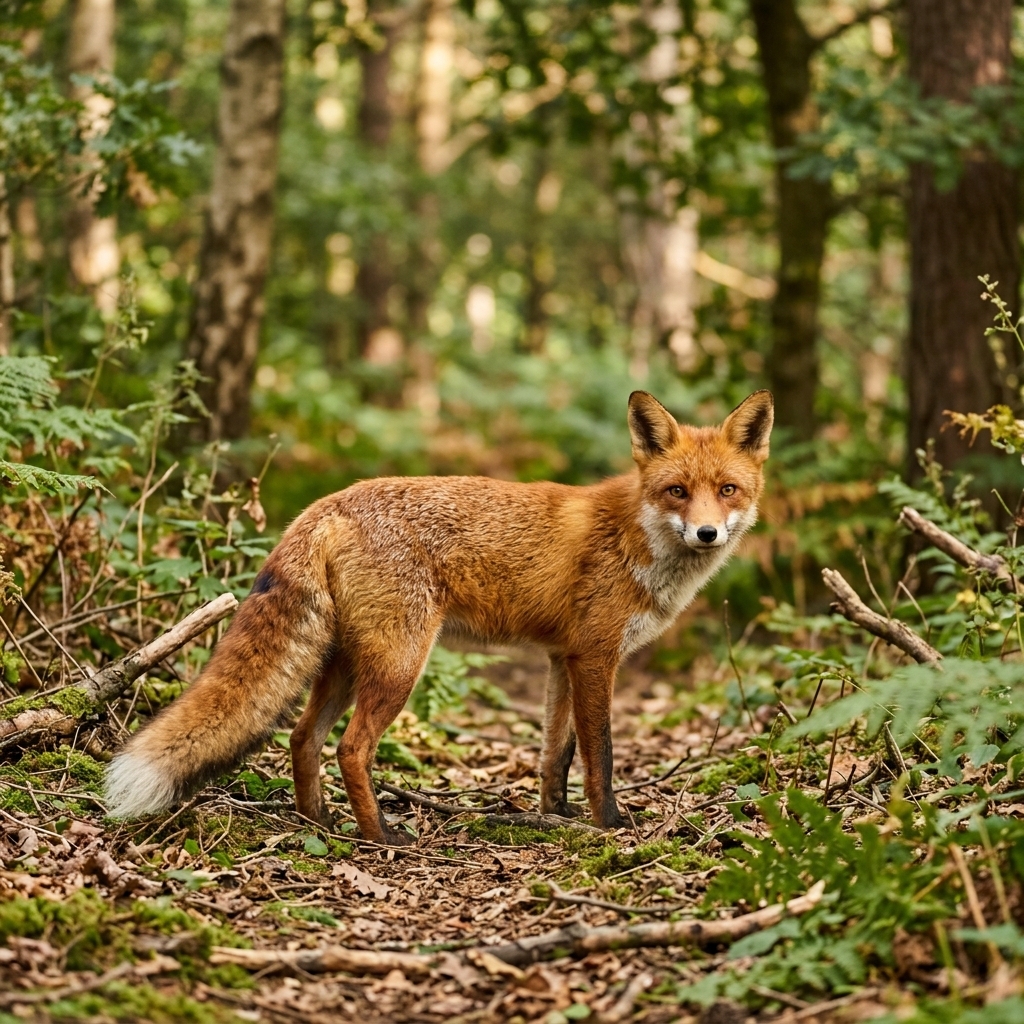
A sly creature, the fox moves swiftly through rough terrain. Known more for wit than strength, it darts with precision, its thick tail trailing behind. Though compact in size, it hunts without hesitation – found where trees thin out, where sand stretches wide, even high among rocky slopes. Across Pakistan, these predators hold ground in untouched spots, also within guarded reserves meant to shield native life.
The Fox Is Clever And Lives In The Wild
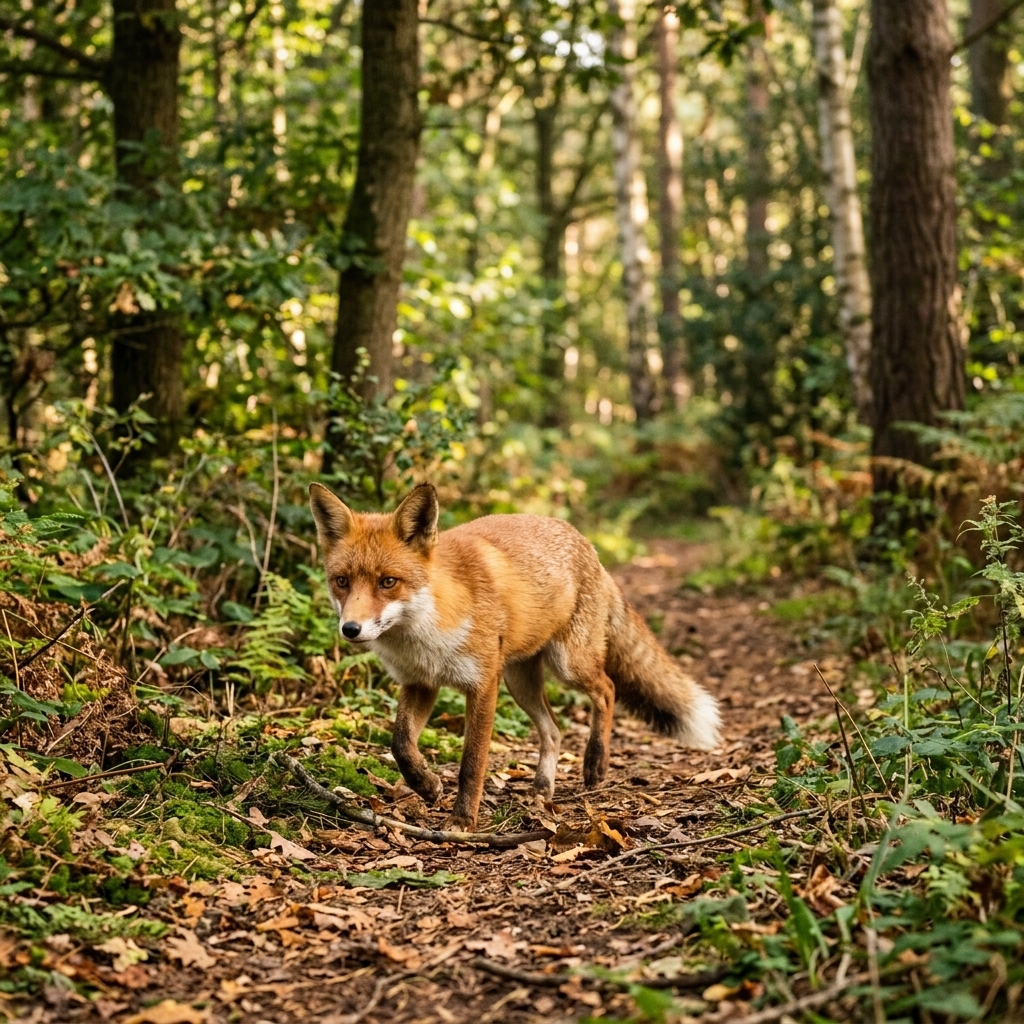
The Fox Is Clever And Lives In The Wild A sly creature, the fox fits right into the dog family. With a slender frame, sharp ears that stand tall, its look is hard to miss. That thick, waving tail trails behind as it moves through shadows. Cleverness runs deep in these animals, making them quick thinkers when trouble appears. Under moonlight, foxes move about with quiet steps. Hunting fills their hours, yet staying unseen matters just as much.
Physical Traits and Distinctive Characteristics
The fox has many special physical features:
- Soft fur body
- Long bushy tail
- Pointed ears and nose
- Sharp teeth and claws
- Fast running ability
- Excellent hearing and smell
- Light brown, red, gray, or sandy fur color
An adult fox can weigh between 3 to 14 kilograms depending on the species.
Habitat and Distribution in Pakistan
Fox varieties in Pakistan adapt well. Some make homes in deserts, others thrive where mountains rise. Wherever they go, conditions shift but life goes on
- Deserts
- Forests
- Grasslands
- Mountains
- Rural areas
Common fox species in Pakistan include:
- Red Fox
- Bengal Fox
- Desert Fox
Foxes live across parts of Punjab, yet also show up in Sindh. They roam through Balochistan too, while appearing now and then in Khyber Pakhtunkhwa.
Behavior and Adaptability
Foxes think fast, yet move quietly through their world. While some stick close to kin, others prefer wandering on their own. Out there where weather shifts fast, foxes make do without fuss. Cold peaks? Dust-baked flats? Open fields that roll forever? Each becomes home just fine. Ears tuned sharp – suddenly a rustle means dinner or escape.
Diet and Hunting Behavior
Foxes hunt meat, yet sometimes nibble on berries. Still, they prefer fresh prey over greens now and then.
Food Sources
Foxes eat:
- Rabbits
- Rats and mice
- Birds
- Frogs
- Insects
- Eggs
- Fish
- Fruits and berries
Beyond fields, foxes poke around close to homes looking for a bite. Farms see them skulking at dusk when hunger bites hard.
Hunting Strategies
Under nighttime skies, foxes begin their search. Quiet steps carry them forward, swift through shadows. Listening closely comes first – sound guides much of what they do next. Smell plays a big role too, picking up traces others might miss. Hidden creatures in thick grass stand little chance. Even those tucked below ground aren’t always safe. Movement stops when ears twitch toward a noise. A sudden dash follows only if the signs are right.
Interaction with Human Environments
Foxes in Pakistan can be spotted close to farmland and rural settlements. Because these animals might go after poultry or tiny creatures, certain folks see them as troublemakers. Foxes get a better chance when those who study wildlife step in. Where these animals live often becomes safer because of careful planning. Safe zones mean fox families can grow without sudden threats nearby. Survival rises where human efforts create quiet spaces.
Reproduction and Life Cycle
Fox lifespans shape how animals share space in nature.
Breeding Season
Foxes often mate when snow covers the ground. About fifty days later, she gives birth after that stretch of waiting.
Cubs And Family Care
A mother fox brings four to six young into the world, often named cubs or kits. Hidden away in shelters at first, the little ones wait out their fragile days underground. Fox moms guard their young, feeding them as strength grows slowly. When little ones start moving on shaky legs, care stays steady through early days.
Cultural and Ecological Importance
Cultural Importance
A sly look in its eye, that’s how the fox usually shows up in people’s minds. Across continents, through campfire talks and children’s books alike – this animal slips into tales without much noise.
Ecological Importance
Besides hunting rodents, foxes keep insect numbers down too. Because of their presence, fields stay safer for growers while nature stays in check.
Conclusion
Cleverness defines the fox, quick on its feet, ready to adjust when needed. Across Pakistan’s varied landscapes, these creatures find homes, shaping balance in natural systems. Hunting sharp, thinking ahead, surviving tough conditions – this sets them apart. Few wild beings draw attention like the red fox does.
FAQ’s
What is a fox?
A fox is a small wild animal known for its intelligence, bushy tail, and hunting skills.
Where do foxes live in Pakistan?
Foxes live in deserts, forests, mountains, and rural areas of Pakistan.
What do foxes eat?
Foxes eat rabbits, birds, rats, insects, eggs, and fruits.
What is a baby fox called?
A baby fox is called a cub or kit.