Bear in Pakistan: Complete Detail
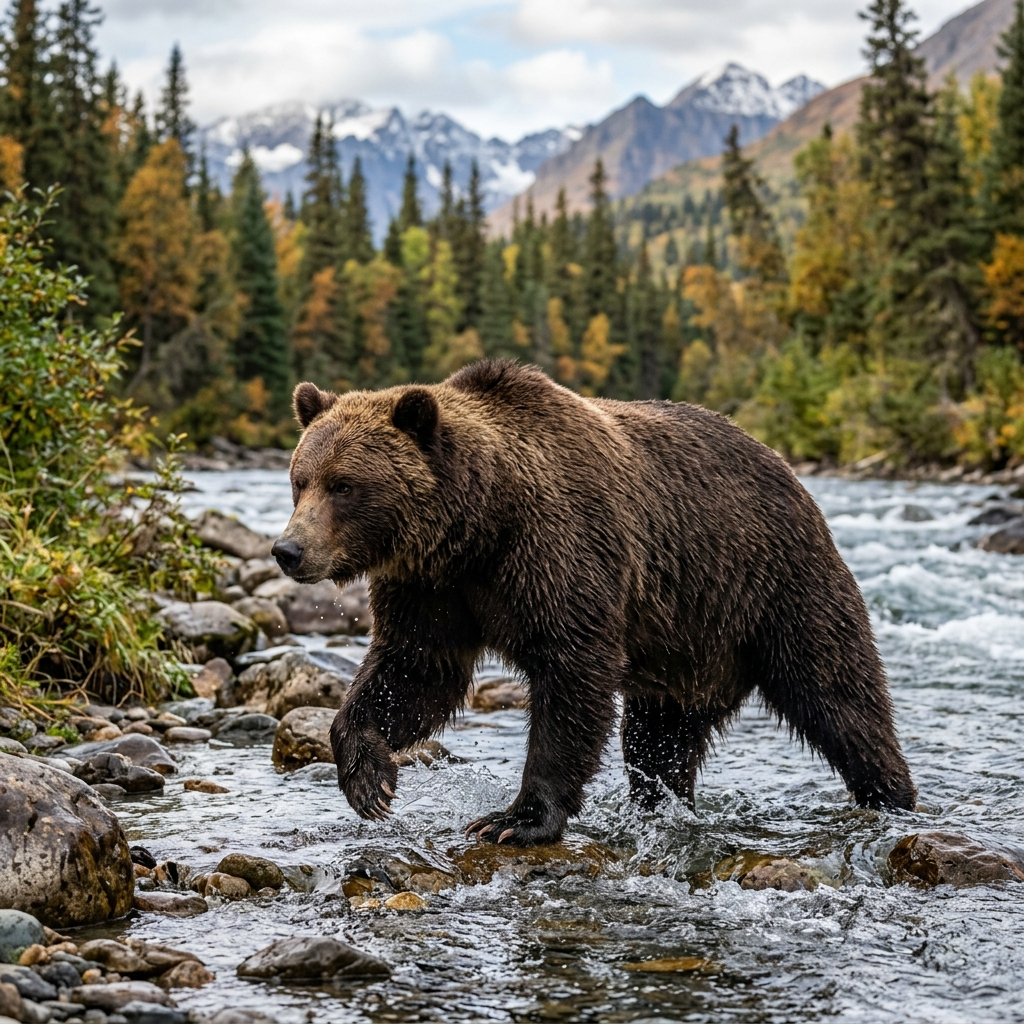
Besides being powerful, the bear shows surprising smarts under its shaggy coat and long claws. Deep woods in the highlands host these creatures, along with safe zones meant for nature’s balance. Instead of just hunting, they munch on fruit, greens, bugs, or salmon when found. Across urban spots in Pakistan, enclosed spaces like zoos sometimes hold them behind fences.
The Bear, a Strong Wild Animal
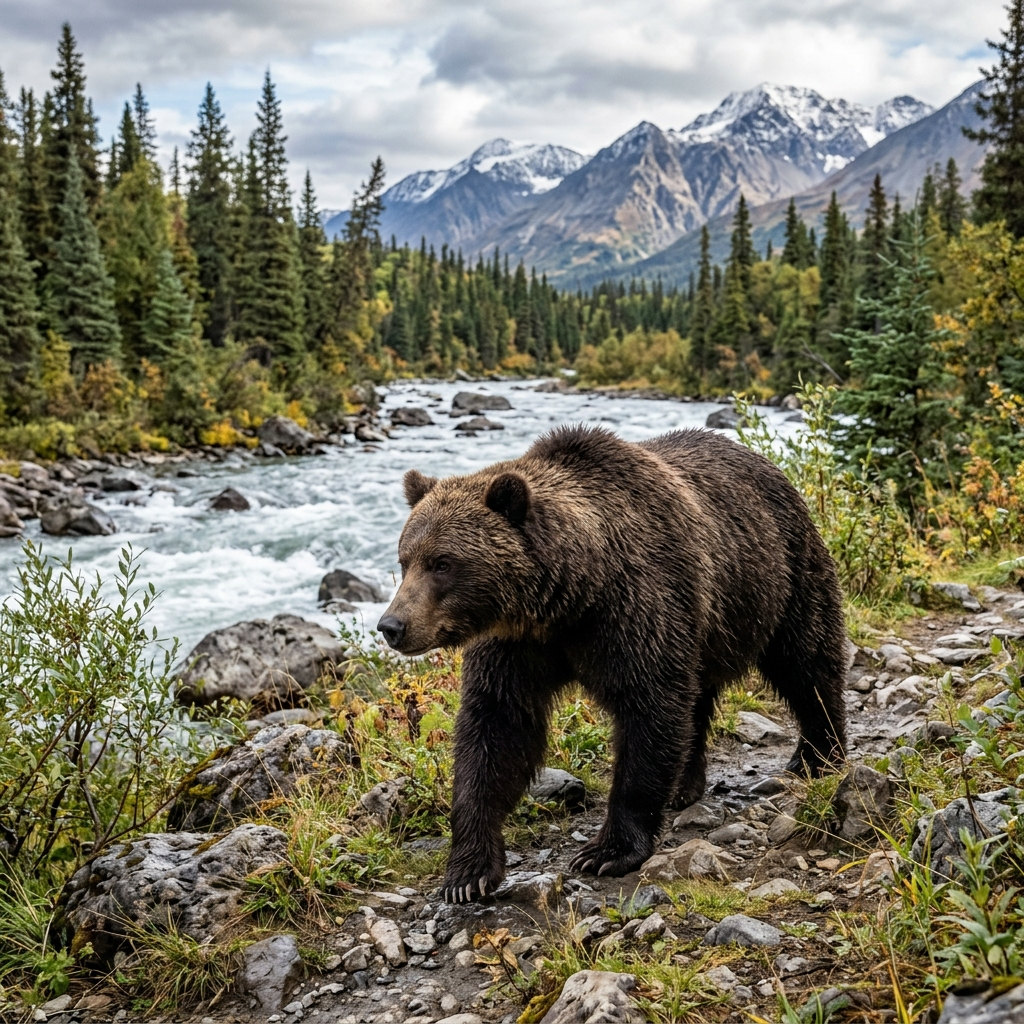
Built thick and low, the bear moves on powerful limbs ending in hooked nails. When it travels, it might amble, sprint, scramble up trunks, or paddle through water. Those curved claws serve two roles – unearthing roots, insects, and sometimes fending off threats when needed. Bears move around mostly at dawn or near dusk. When winter comes, certain ones rest deeply for months – this slow season is known as hibernation.
Physical Appearance and Unique Features
The bear has many special physical features:
- Large and heavy body
- Thick fur for protection
- Strong legs and paws
- Sharp claws and teeth
- Small eyes and ears
- Powerful sense of smell
- Short tail
An adult bear can weigh between 100 and 600 kilograms, depending on the species.
Habitat and Distribution in Pakistan
Different types of bears live in Pakistan. Bears mostly live in:
- Mountain forests
- Cold regions
- Wildlife parks
- National parks
- Protected forest areas
Some bears live in northern areas of Pakistan, such as:
- Gilgit-Baltistan
- Chitral
- Swat
- Kashmir regions
People can also see bears in zoos and safari parks in Lahore and Karachi.
Behavior and Adaptability
Bears think well, move cautiously. Alone is how most prefer to live. Through forests they wander, seeking meals by rivers, high in mountains too.
Besides hunting grounds, bears need fresh water plus a safe spot to rest. When temperatures drop, their dense coat becomes essential for survival.
Diet and Feeding Behavior
Bears munch on berries just as often as they chase small animals. Meat lands on their menu alongside roots and leaves.
Food Sources
Bears eat many types of food, including:
- Fish
- Small animals
- Honey
- Fruits
- Grass
- Insects
- Nuts
- Roots and plants
In zoos and wildlife parks, caretakers also provide meat, vegetables, and special animal food.
Hunting and Feeding Behavior
Besides sniffing out meals, bears rely on sharp senses near waterways. Rivers give them chances to grab slippery fish darting through currents. Fruits hang within reach under forest canopies, drawing their attention often. Insects hide beneath bark, yet still get uncovered by patient digging. Plants spread across clearings become snacks between bigger hunts. When hunger pushes harder, smaller creatures might not escape notice. Meat sometimes matters more once winter looms ahead.
Interaction with Human Environments
Bears find safety in Pakistan’s forests and protected reserves. When folks visit green spaces, they often spot these animals up close.
Wildlife experts provide bears with:
- Fresh food
- Water
- Safe shelters
- Medical treatment
Bears get help from certain groups aiming to stop unlawful killing, along with shrinking spaces.
Reproduction and Life Cycle
Bears go through stages that matter deeply to wild animals around them. Each phase shapes the forest in quiet ways. Their journey touches everything from plants to smaller creatures nearby.
Breeding Season
Each year, mating occurs in bears during specific seasons. Afterward, tiny lives develop slowly through many months within their mother’s body.
Cubs and Family Care
Now here comes the cub, sometimes two, maybe three. Close to mom, they stick, where meals appear, and danger fades. From her, they pick up how to live – watching, following, doing. Safety lives in her shadow, day after day. Above, the mother bear keeps an eye out when threats move close to her cubs. Silence between them, yet she leads young ones straight where meals wait.
Cultural and ecological importance
Cultural Importance
Strength wins respect, so does sharp thinking – bears get noticed. Seen on screens big and small, they show up where tales unfold.
Ecological Importance
From time to time, bears shape how life thrives across forest floors and high slopes. As they wander, seedlings travel far inside their digestive tracts. Insects stay in check because of their constant hunting habits. Energy moves smoothly through layers of wildlife thanks to their presence.
Conclusion
Bears – big, clever creatures – are found across Pakistan’s forested hills and protected reserves. Thick coats cover powerful bodies built for tough environments. Because they adapt so well, these animals capture human curiosity easily. Mountain slopes hide their dens where survival means constant movement through changing seasons.
FAQ’s
What is a bear?
A bear is a large wild animal known for its heavy body, thick fur, and strong claws.
Where do bears live in Pakistan?
Bears live in mountain regions, forests, wildlife parks, and protected areas in Pakistan.
What do bears eat?
Bears eat fish, fruits, insects, honey, plants, and small animals.
How many cubs can a bear have?
A female bear usually gives birth to 1–3 cubs.