Whale in Pakistan: Complete Detail
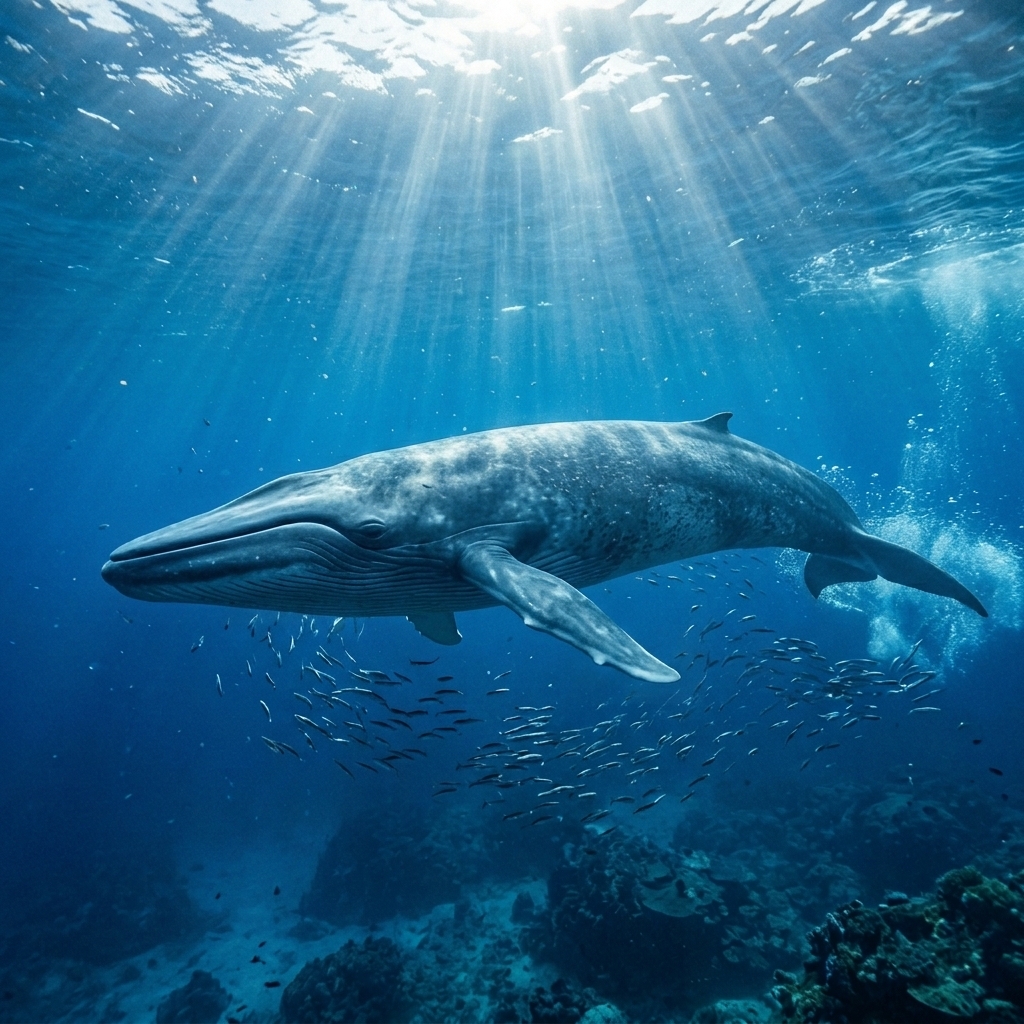
Out in the open sea, a whale moves through cold, dark waters, massive and slow. Big they are, yes – but also swift when needed, cutting through waves with steady power. Water is their home from start to finish, never stepping on land, always drifting, diving. Year after year, certain kinds cross vast stretches of ocean, chasing seasons no human would notice. Their minds work in ways we’re only beginning to grasp, complex yet quiet. Out by the shores of Pakistan, whales move through the waters of the Arabian Sea. Along the coastlines close to Karachi and Gwadar, sightings happen now and then when these animals pass by.
The Whale – A Massive Ocean Creature
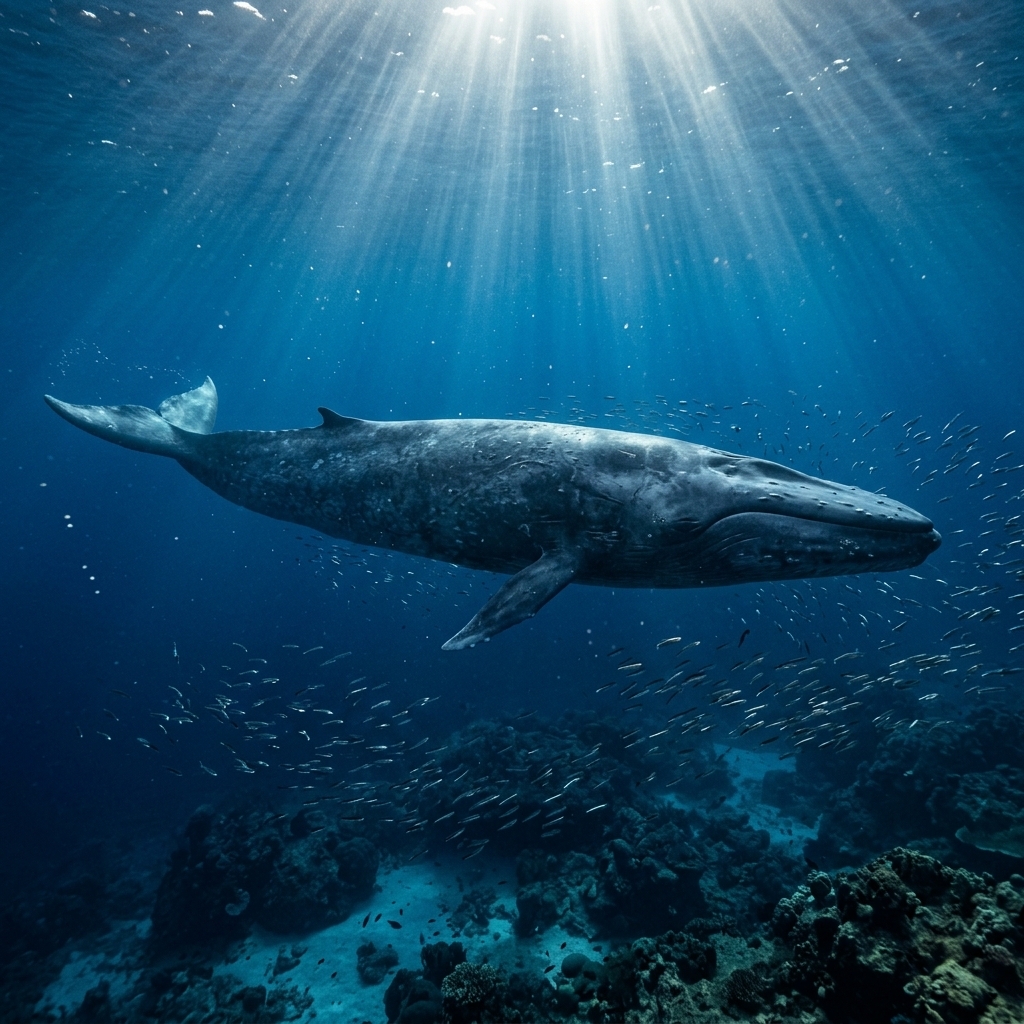
Down below, a whale moves through deep waters. Its body needs air, so it surfaces now and then. On top of its head sits a small opening – this is how it pulls in fresh oxygen. Though often seen swimming like fish, it belongs to another group entirely. Water surrounds it completely, yet it shares more traits with land animals than sea creatures
Physical Traits and Distinctive Characteristics
Whales have many special physical features:
- Very large and heavy body
- Strong tail for swimming
- Smooth skin
- Blowhole for breathing
- Large fins
- Thick body fat for warmth
- Excellent hearing underwater
Some whales can grow over 30 meters long and weigh more than 100 tons.
Habitat and Distribution in Pakistan
The Whale lives in oceans around the world. In Pakistan, whales are found in:
- Arabian Sea
- Coastal waters near Karachi
- Deep-sea areas near Gwadar
- Open ocean regions
Beneath wide waters, whales choose depths teeming with prey.
Behavior and Adaptability
Out in the ocean, whales move through water with quiet focus. These creatures often swim together, forming tight units known as pods. Season by season, certain ones cover vast stretches of sea, shifting location as time passes. Out in the deep, whales call back and forth with rumbles and whistles. Because water carries sound well, these noises guide them to one another across vast distances.
Diet and How Animals Eat
Besides krill, some whales hunt fish while others filter tiny creatures from water. A few prefer squid, moving through dark zones where prey glows faintly below.
Food Sources
Whales eat:
- Small fish
- Krill
- Squid
- Plankton
- Shrimp
- Small sea animals
Every day, big whales swallow tons of small krill. Krill get eaten in massive numbers by these ocean giants. A single whale needs endless swarms just to keep moving. Without constant feeding, their size wouldn’t be possible. Whole schools vanish in one gulp from below.
Hunting and Feeding Behavior
Opening wide, some whales scoop up mouthfuls of water packed with tiny creatures. Deep below, others chase after fish and squid through dark currents. Some whales work together while making noises to locate meals beneath the waves.
Interacting With Human Spaces
Now and then, along Pakistan’s shores, whales show up close to land. Studying these animals helps researchers understand how sea creatures live together in oceans.
Out in the open water, trash and tangled nets put whales at risk. Because of reckless hunting too, their numbers drop. People who care about animals push back, trying to keep oceans safe. Their efforts guard not just whales but everything living below the surface.
Reproduction and Life Cycle
The life cycle of whales is important for marine conservation.
Breeding Season
Baby time shifts across whale kinds when they mate. Carrying a calf takes roughly ten up to eighteen months for mothers.
Calves and Family Care
A baby whale enters the world alone, one at a time. Usually, mothers carry just one little one inside them before giving birth. Milk flows directly from the mother to feed her young. From the first moment, the newborn stays close, never wandering off on its own. Watching every move, she guards it carefully as it learns the sea.
Cultural and Ecological Importance
Cultural Importance
Over waves where massive creatures roam, the whale holds space – its size matters less than the quiet pull it creates. Tales of this animal appear across many places: inside book chapters, movie scenes, and digital views of underwater realms.
Ecological Importance
Down where the water stretches wide, whales stir things without making noise. As they drift between deep and shallow zones, bits of life ride their wake. Where they go, tiny eaters find meals waiting behind. Each rise or drop tweaks the rhythm that keeps everything turning. Where these big animals go, cleaner water tends to follow. Hidden lives in the ocean depend on their passing, though it’s rarely seen.
Conclusion
Out there among sea creatures, the whale stands apart. Big size mixes with sharp minds and smooth motion through water. Along Pakistan’s shores, these animals move through the Arabian Sea waters. When whales stay safe, so do many ocean species around them.
FAQ’s
What is a whale?
A whale is a very large marine mammal that lives in oceans.
Where can whales be found in Pakistan?
Whales can be found in the Arabian Sea near Karachi and Gwadar.
What do whales eat?
Whales eat fish, krill, squid, plankton, and other small sea animals.
What is a baby whale called?
A baby whale is called a calf.