Penguin in Pakistan: Complete Detail
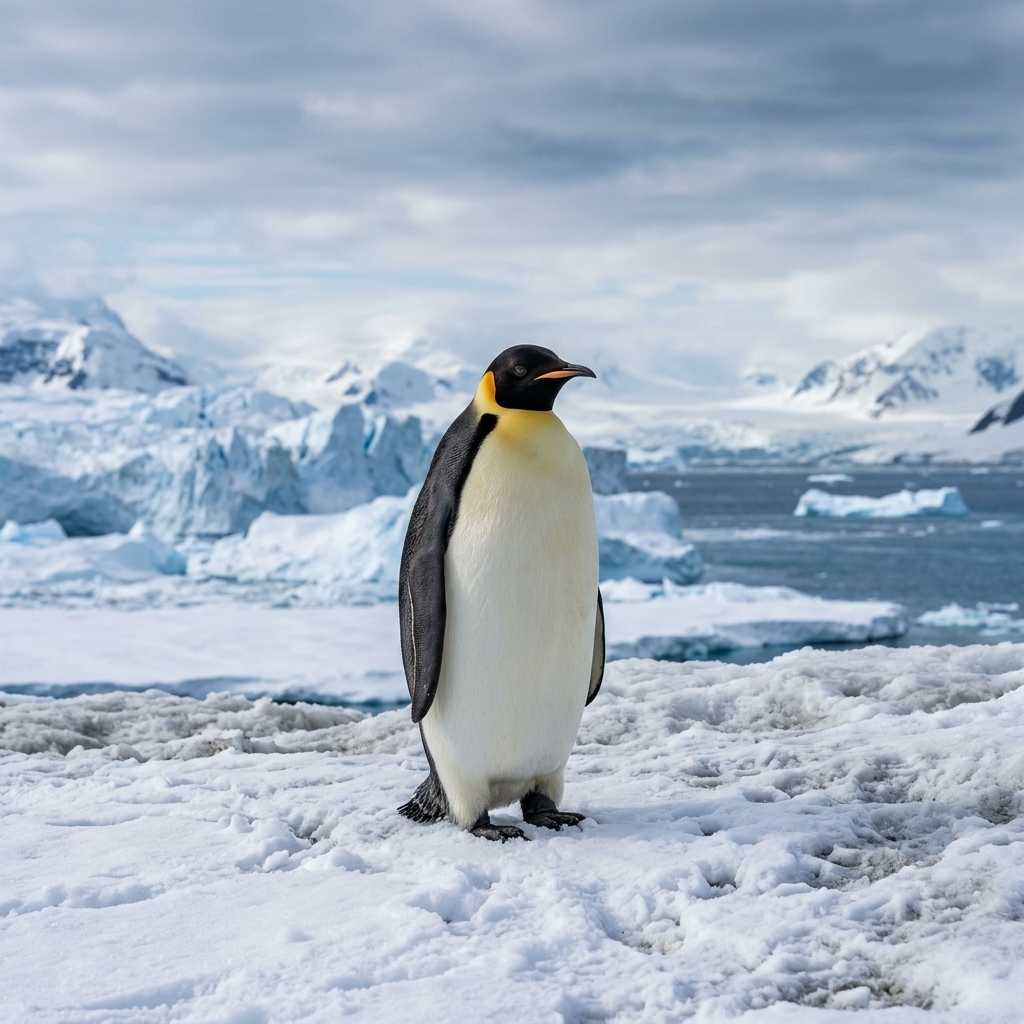
Penguin catches eyes because of black-and-white feathers, also a clumsy shuffle on land. Flightless, but glides underwater like it owns the place. What makes them memorable isn’t just appearance – watch how they huddle, call, follow each other. They thrive where frost bites air, which explains why Pakistan stays off their map. Seen there? Only if walls hold tanks instead of open sky
The Penguin A Special Swimming Bird
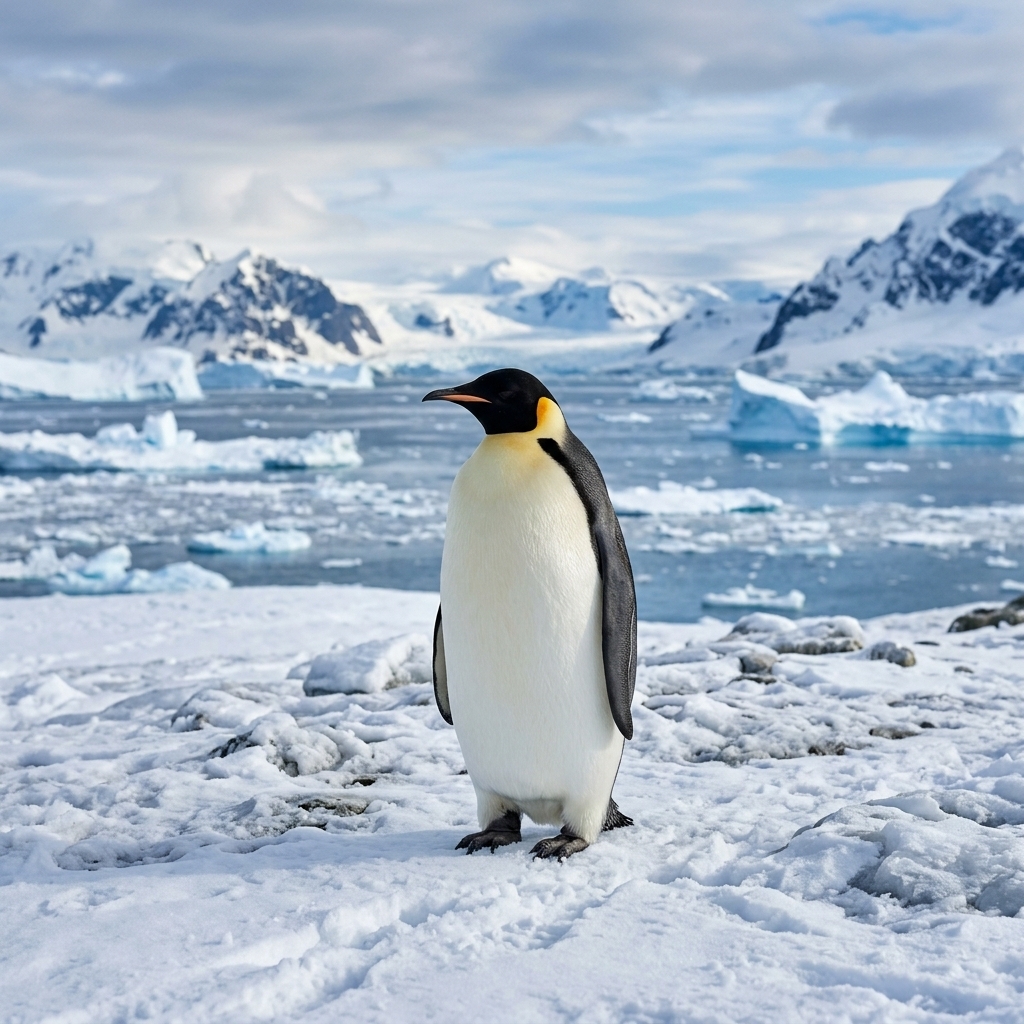
Penguins belong to a rare group of ocean birds that gave up flight ages ago. Not built for air, they move fast underwater thanks to paddle-shaped wings. Their bodies slice through waves when hunting food. Life sticks close to icy shores and deep waters. Places like Antarctica shelter many different kinds of them.
physical traits and distinctive characteristics
Penguins have many special physical features:
- Black and white body
- Short legs and webbed feet
- Small wings shaped like flippers
- Thick feathers for warmth
- Strong swimming ability
- Sharp eyesight underwater
- Smooth and waterproof body
An adult penguin can weigh between 1 and 40 kilograms, depending on the species.
Habitat and Distribution in Pakistan
Penguins need colder environments to survive. So they are not found in the wild there. That is why you won’t see them in Pakistan. Warm weather just doesn’t suit their needs.
People may see penguins in:
- Zoos
- Aquariums
- Wildlife centers
- Most penguins live in:
- Antarctica
- South Africa
- Australia
- New Zealand
- South America
Frosty waters draw penguins more than any other place. Sea ice edges often host their busy paths. Islands close to open water become home through long seasons.
Behavior and Adaptability
Penguins stick together, always moving as a crowd. These birds gather in big crowds known as colonies. When winter bites, they huddle close – body heat shared keeps them alive. Paddling fast, penguins shoot through cold waves below the surface. When hunting, they plunge far down where light fades slowly. Instead of just calls, they bob their heads while making sharp noises.
Diet and How Animals Eat
Penguins survive on meat from the ocean. Sea creatures their daily meals instead of plants.
Food Sources
Penguins eat:
- Fish
- Squid
- Krill
- Small sea animals
- Shrimp
Fish get served daily in zoo kitchens, while sea creatures munch on custom meals. Caretakers mix in frozen shrimp with vitamin boosts now and then
Feeding Behavior
Pulling through cold water, penguins snap up meals below the surface. With quick bursts of movement plus pointed beaks, they grab what swims nearby.
Interaction with Human Environments
Penguins waddle in ways that make crowds smile, drawn to their round faces and gentle eyes. Watching them slide across ice or swim in glass homes holds attention, a quiet joy found behind thick viewing windows.
Animal experts care for penguins by providing:
- Cold environments
- Clean water
- Fresh seafood
- Medical care
Wildlife organizations also work to protect penguins from pollution and climate change.
Reproduction and Life Cycle
Penguins go through stages that catch attention, mattering when it comes to protecting wild animals.
Breeding Season
Frost thickens across the land when penguins begin nesting. One parent shelters the egg while the other seeks food nearby.
Chicks and Family Care
Most of the time a woman penguin will lay either one egg or maybe two. Close to mom and dad the baby penguins stick around, getting warm and eating.Fledglings rely on care from mother and father till strength returns. One watches while the other brings food. Rest comes after feeding, always near. Safety matters most during early days. Growth happens fast when both stay close.
Cultural and ecological importance
Cultural Importance
That waddle grabs attention – so clumsy, yet full of charm. Cartoons borrow their shuffle, films highlight their silence amidst snow. Books sketch them standing tall on ice, while nature clips show them diving without hesitation. Their round bellies and stiff little wings make faces soften. Even serious scenes lighten when a penguin hops into view.
Ecological Importance
Penguins keep things steady in sea environments. Because they fit into the ocean’s eating order, their role matters.
Conclusion
Penguins stand out because they think differently than many birds. Built for water, these creatures glide fast while their coloring hides them well – black above, white below. Social by nature, they stick close in groups, which helps survival when times get tough. Though never found wild across Pakistan’s lands, glimpses come through zoo visits where glass shows underwater moves up close.
FAQ’s
What is a penguin?
A penguin is a flightless seabird famous for its black and white body and swimming skills.
Can penguins fly?
No, penguins cannot fly. They use their wings for swimming.
What do penguins eat?
Penguins eat fish, squid, krill, and other small sea animals.
Where do penguins live?
Penguins mostly live in Antarctica and other cold regions near oceans.