Rabbit in Pakistan: Complete Detail
Out there beneath the whispering blades of green, a rabbit darts without noise. Its coat, fine and close, holds heat when shadows stretch long. Every rustle makes those wide ears jump like live wires. Whether tucked into backyard hutches or darting through open meadows, they settle where few expect. Across farmlands in Pakistan, they move among goats and chickens as if born to it. Most are calm, so problems with keepers happen almost never. A hop forward usually brings quiet right after. Quiet comes easily when a small figure pops into sight.
The Rabbit – A Cute and Gentle Animal
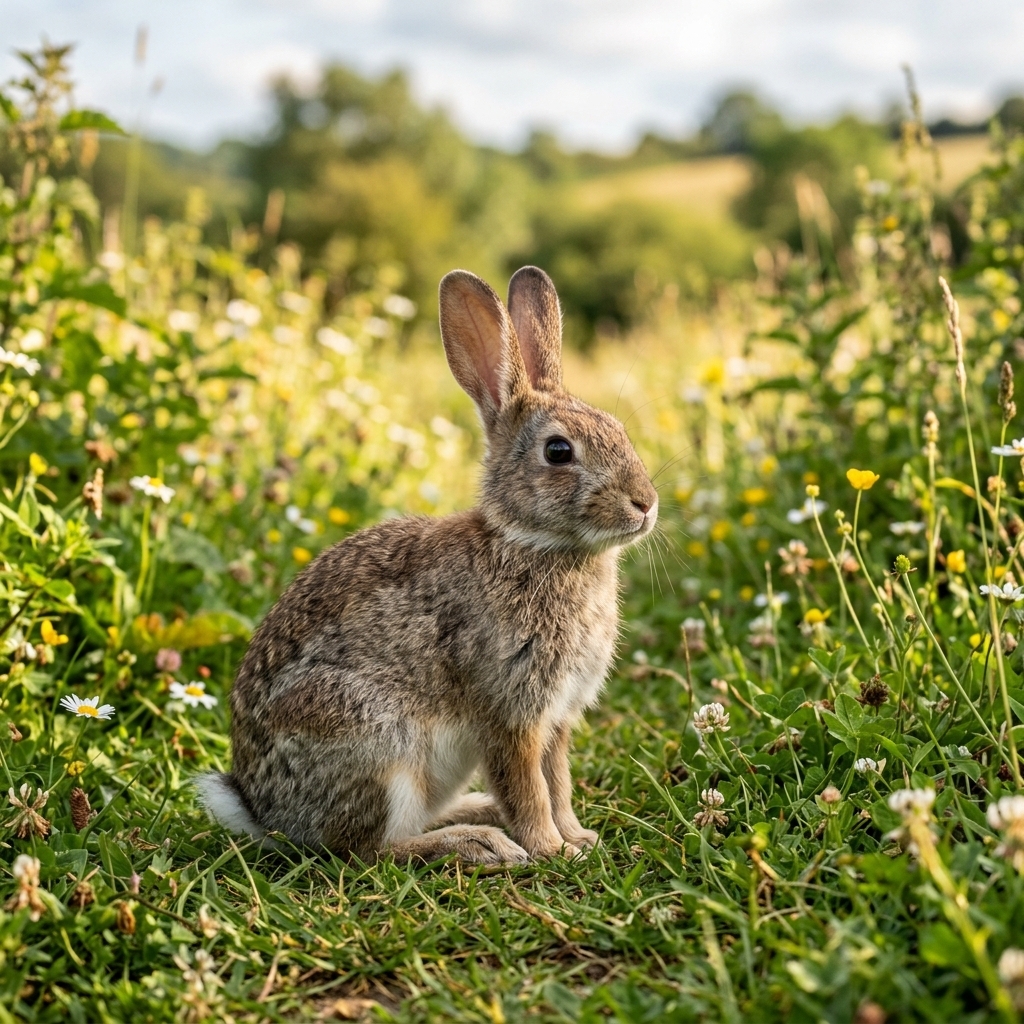
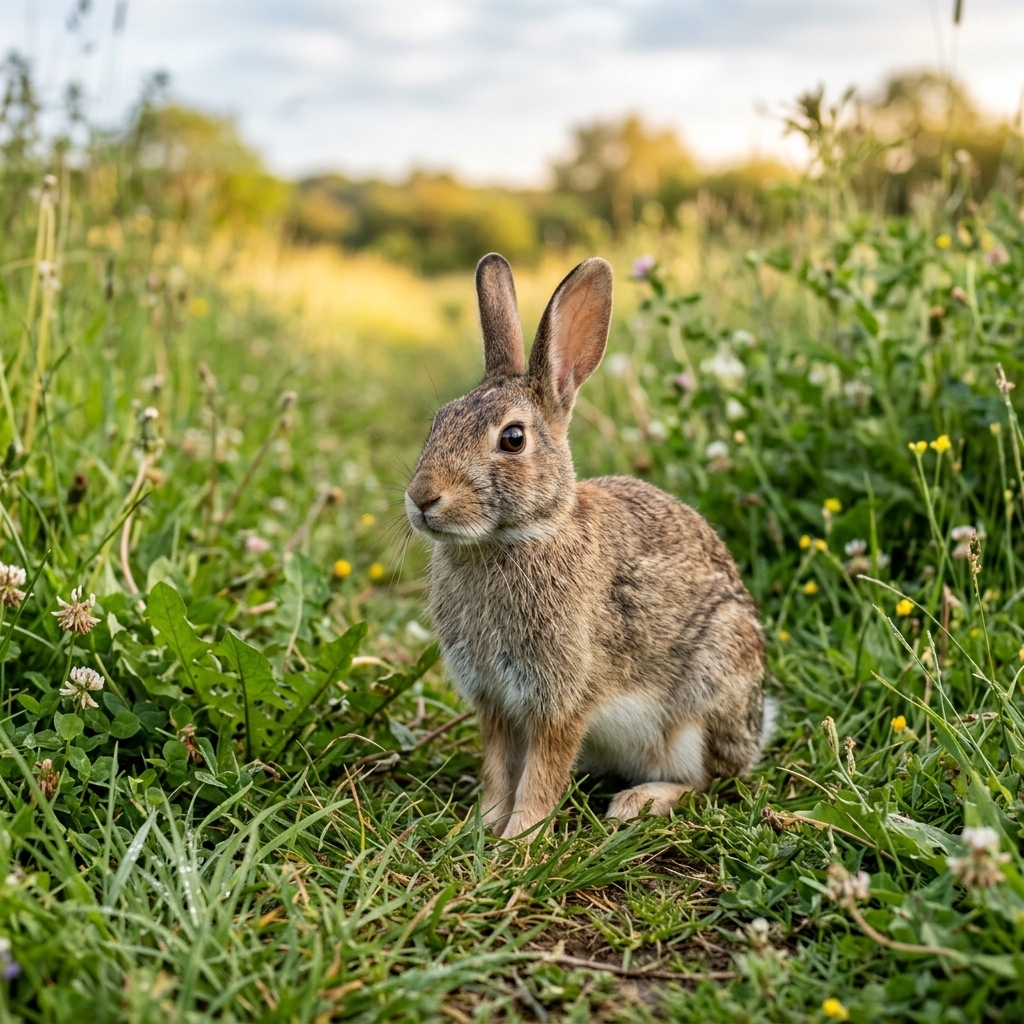
A small creature, the rabbit wears a coat of dense, gentle fur. Rising high from its skull, those long ears stand alert. If danger comes near, off it bolts, driven by strong back limbs. Besides dawn, bunnies stir again near sunset, busy with movement through grassy patches. Instead of just eating, they sometimes shift earth to form small shelters underneath roots or logs. When stillness finds them, any hidden corner might do – so long as it seems safe from sudden noise. They chew leaves between short pauses, then freeze at the smallest sound overhead.
Physical Appearance and Unique Features
The rabbit has many special physical features:
- Soft and fluffy fur
- Long ears
- Short tail
- Strong back legs for jumping
- Sharp front teeth
- Large eyes for better vision
- Small and lightweight body
Rabbits come in different colors such as white, brown, black, and grey.
An adult rabbit can weigh between 1 and 5 kilograms, depending on the breed.
Habitat and Distribution in Pakistan
Rabbits can be found across various parts of Pakistan. While some live wild, others are cared for by people who raise them at home
- Homes as pets
- Animal farms
- Zoos
- Wildlife parks
- Villages and rural areas
Wild rabbits usually live in grasslands, fields, forests, and areas with bushes where they can hide easily.
Behavior and Adaptability
Burrow-dwellers by nature, rabbits thrive near shelters they can dart into. Social bonds mean much to them, so pairs or colonies are common sights. Burrowing into new places works fine when meals, drink, and cover stay close by. Ears twitch at sounds while legs blur across open ground to dodge threats.
Diet and How Animals Eat
Racing through fields, a rabbit chews on green leaves each morning. Grass, clover, and carrots fill its day, one bite at a time.
Food Sources
Rabbits eat many types of food, including:
- Grass
- Carrots
- Leaves
- Vegetables
- Fruits
- Hay
- Herbs
- Plant roots
Pet rabbits also eat special rabbit food provided by owners.
Feeding Behavior
Biting through green blades takes time, so they keep at it all day long. Their strong incisors make quick work of leafy plants instead of crushing them slowly.
Interaction with Human Environments
Rabbits hop into homes across Pakistan, welcomed for their gentle ways and simple care needs. What draws kids? Soft fur, twitching noses – little faces that spark smiles instantly.
People provide rabbits with:
- Fresh food
- Clean water
- Safe cages or shelters
- Medical care
Besides crops, a few plots keep bunnies – mainly to grow their numbers. Care routines often shape how these creatures are handled on such land.
Reproduction and Life Cycle
Rabbits move through their life stages quicker than most creatures around them. Fast maturity sets them apart early on.
Breeding Season
Litter after litter arrives thanks to frequent mating cycles throughout the seasons. Roughly thirty days pass while a doe carries her young before they arrive.
Baby Rabbits and How Families Help
Rabbits born to a mother might number more than just one. These young ones go by names like kits, sometimes bunnies. Baby bunnies stay safe because mom watches closely while they get bigger. She brings food each day so that the little ones gain strength slowly over time.
Cultural and Ecological Importance
Cultural Importance
Soft fur makes the rabbit a favorite, and it has a gentle look. Stories for kids show them often, along with toys, where they sit quietly. Cartoons give them roles sometimes, plus pages in books keep them close. Their calm ways stick out, not loud or fast but steady. A quiet animal, yet seen nearly everywhere little ones play.
Ecological Importance
Burrowing through underbrush, rabbits carry bits of plants on their fur, dropping them far from where they started. Because predators rely on swift prey, foxes and hawks track these small mammals across open fields.
Conclusion
Bouncing through fields or curled up quietly, rabbits charm without trying. Homes across Pakistan often welcome these quiet creatures, just as farms do. Wild spaces hold them too, moving quickly on light feet. Soft fur, clever eyes, their presence feels warm somehow. Many people, everywhere, find it hard not to care for such small, lively beings.
FAQ’s
What is a rabbit?
A rabbit is a small herbivorous animal known for its long ears and soft fur.
Where do rabbits live in Pakistan?
Rabbits live in homes, farms, wildlife parks, and grassy areas in Pakistan.
What do rabbits eat?
Rabbits eat grass, vegetables, fruits, hay, and leaves.
What are baby rabbits called?
Baby rabbits are called kits or bunnies.