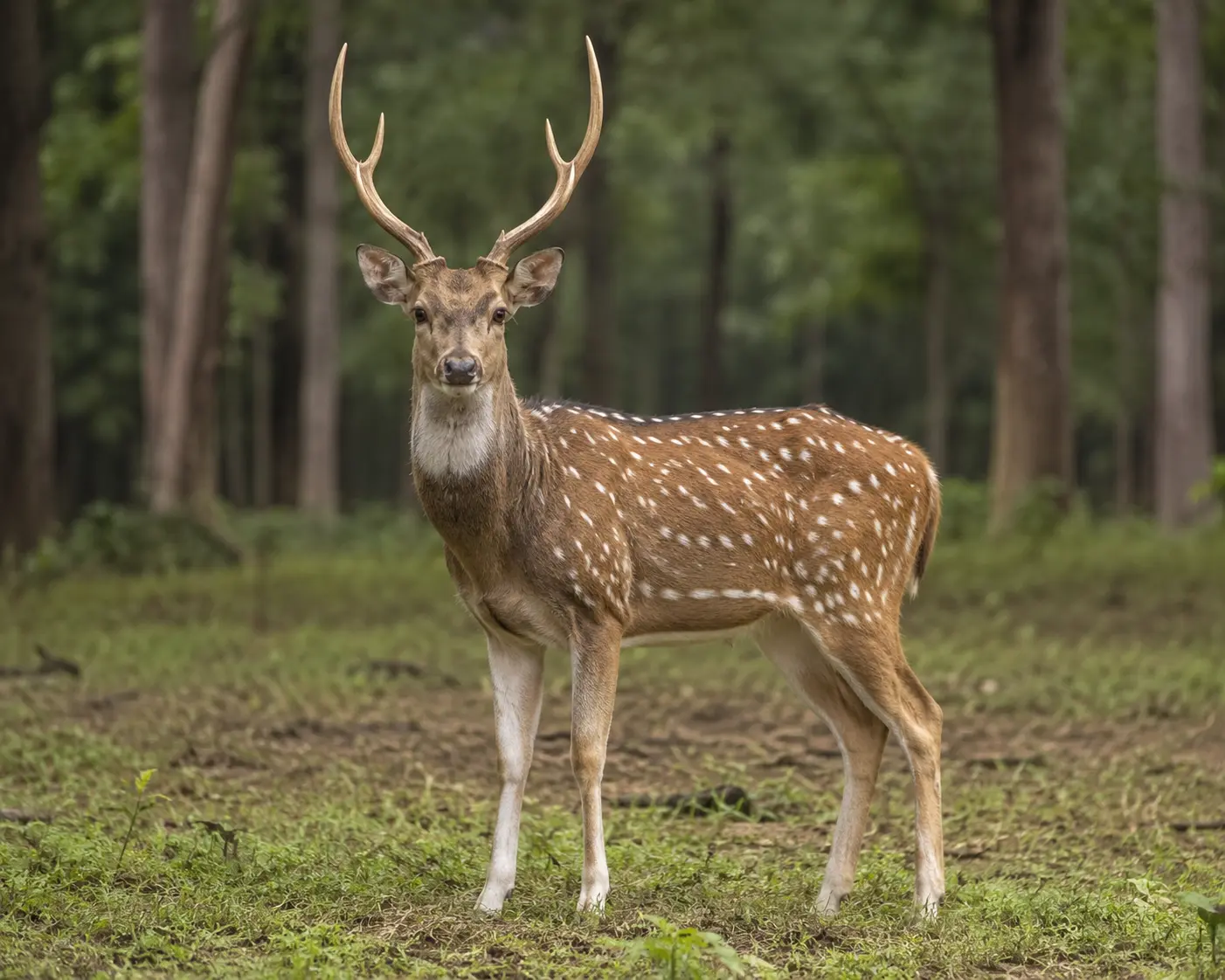
Royal Deer Complete Detail
A soft brown shape moves through tall grass at dawn. Long limbs carry it swiftly across open fields, body low and lean. Where trees thicken, you might spot one pausing near shadows, ears twitching. National parks in Pakistan shelter several types, each adapted to forest edges or high meadows. Their presence marks quiet corners where nature stays untouched.
The Deer: An Elegant Wild Creature
Out in the open, the deer moves quietly, always aware. Built light and nimble, it dashes away when threats near. Males carry antlers, heavy crowns that grow fresh each season. With every passing year, those racks stretch larger. Activity peaks at dawn, also during dark stretches after sunset. Searching for leaves, grasses, and staying clear of hunters fills most days.
Physical Appearance and Unique Features
The deer has many special physical features
- Slim and lightweight body
- Long and strong legs
- Brown or reddish body color
- White spots on some deer species
- Large ears and sharp hearing
- Male deer have antlers
- Fast running ability
An adult deer can weigh between 30 to 250 kilograms depending on the species
Habitat and Distribution in Pakistan
Different types of Deer live in Pakistan. People can find deer in
- Forests
- Grasslands
- National parks
- Wildlife sanctuaries
- Safari parks
Just beyond Lahore, deer show up in protected wild spots. In Karachi, certain areas are set aside to keep these animals safe
Deer Types Found in Pakistan
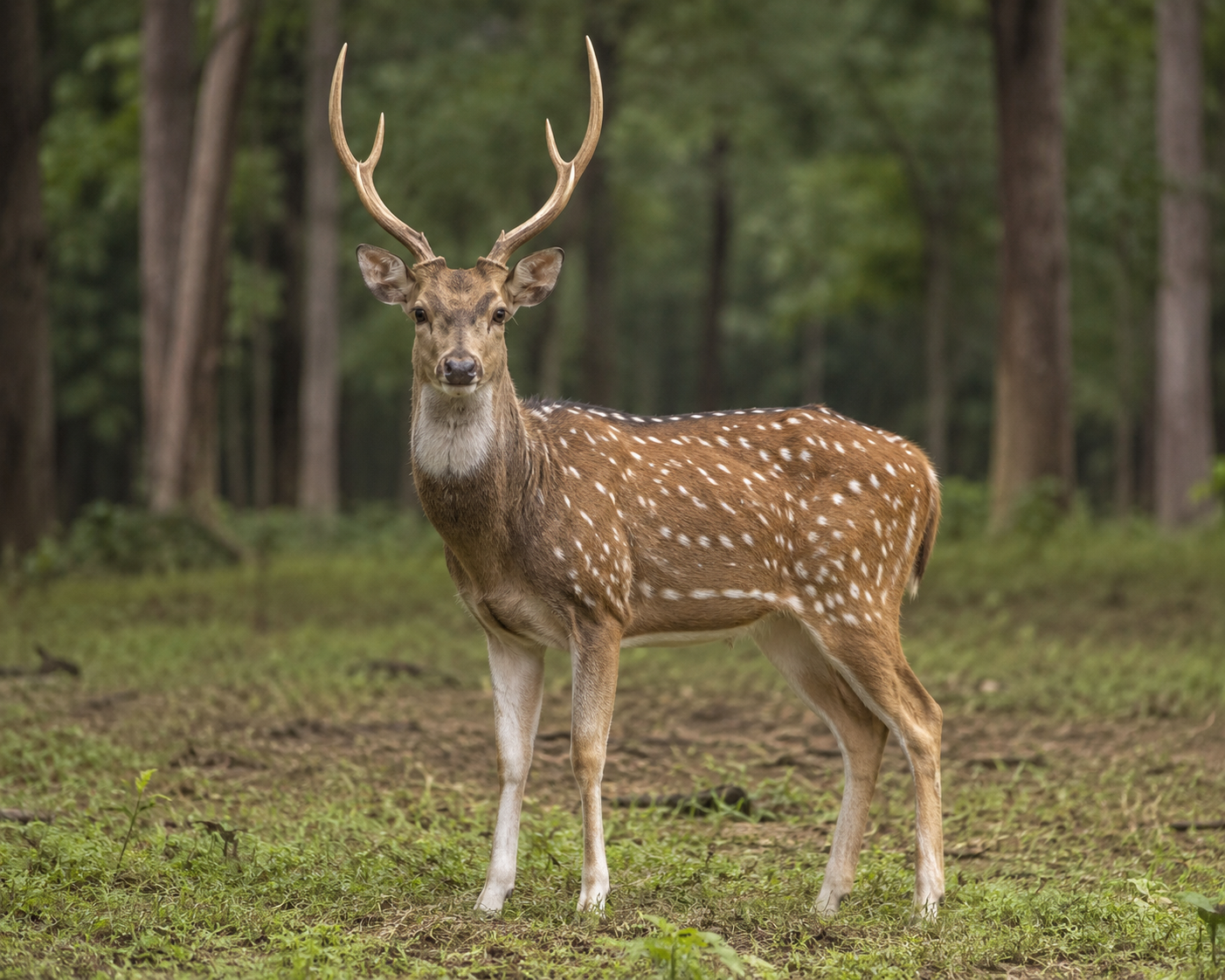
Chital Deer
Out in the woods of South Asia lives the Chital Deer, dressed in striking coats. Speckles dance across their warm brown fur, which is why folks call them spotted deer. Zooming past trees and fields? That’s just another day for these swift runners. Grass gets crunched under their teeth, plus young leaves, sweet fruits, and all sorts of plants they chew. Most of the time, they move in groups because calmness runs deep in their ways. Across Pakistan, look for them not just in wild corners but also behind zoo fences or slipping through guarded areas where few go.
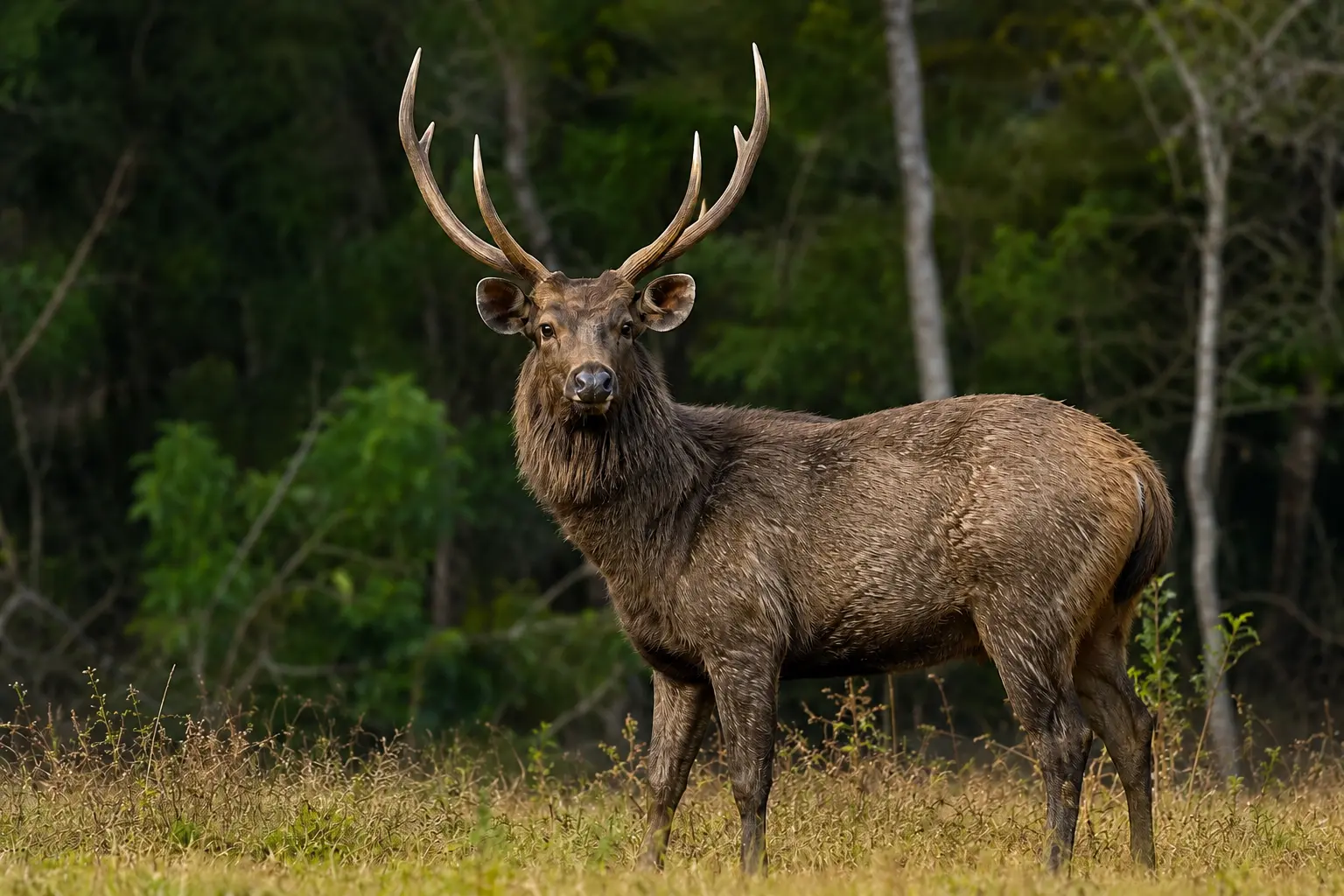
Sambar Deer
Crowned with massive antlers, the Sambar Deer walks on strong legs beneath thick brown hair. Mainly living in hilly forests, it stirs only once the sun dips low. As dark spreads across land, hunger wakes – starting with grass, shifting to leaves, peeling into bark, landing now and then on fallen fruit. With twilight comes stillness, matching the animal’s slow, steady beat. When danger comes, these deer take to water – though they’re made for sprinting on solid ground. Now, most survive within guarded zones in Pakistan, hidden in wildlife spots where every step gets noticed.
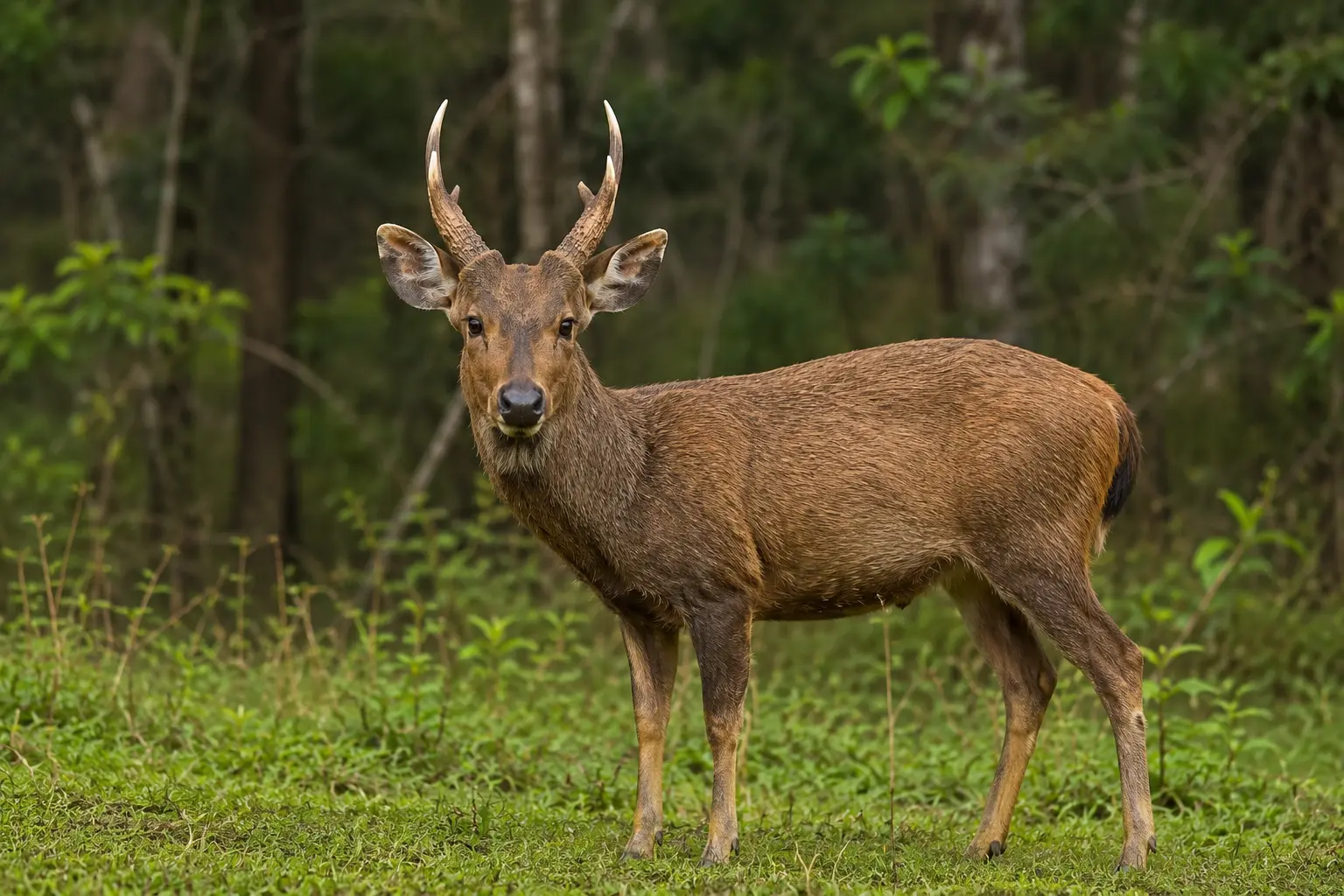
Hog Deer
Low to the earth, the Hog Deer stays solid and swift, muzzle often skimming dirt. This odd sprint gives it a name that sticks – hog deer. Often seen ambling beside wetland fringes or pushing through dense meadow growth. Morning brings fresh grasses, soft leaves, and young sprouts snapped up just after light. Out there, where tall grass sways, deer stay out of sight. Some protected spots across South Asia give them space to live quiet lives.
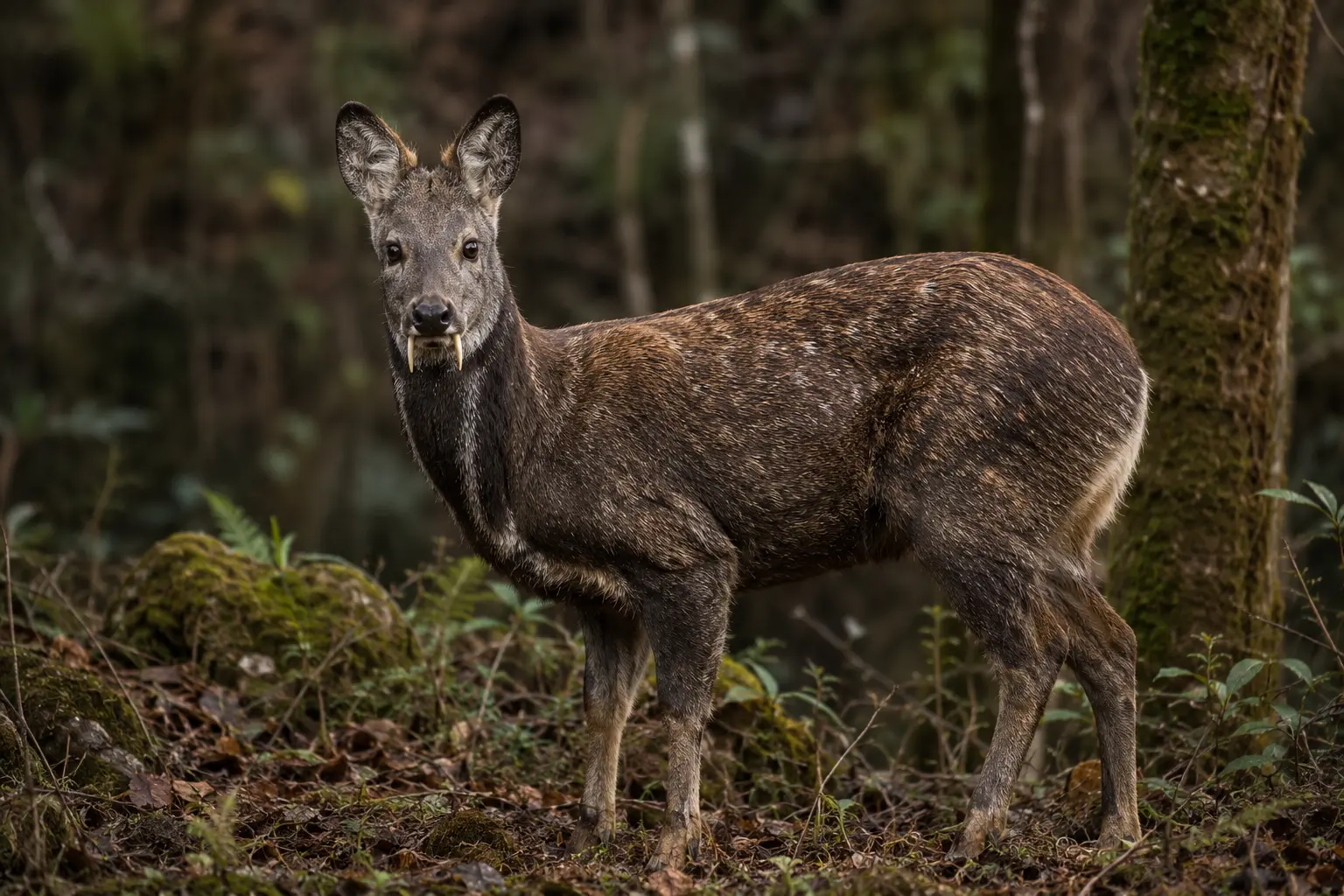
Musk Deer
Chilly heights are home to the Musk Deer – a quiet animal people seldom spot. Without antlers, the males differ from many deer relatives. From those males comes musk, a material used for years in perfumes. Among rocks and forest cover, they stay out of sight, barely uttering sounds. In northern spots such as Gilgit-Baltistan and Kashmir in Pakistan, someone might glimpse one once in a while.
Behavior and Adaptability
Deer move in small groups, staying close like families. Because hunters share their forests, alertness feels natural to these animals. Sudden sprints help them vanish from threats, whereas big ears tune into whispers of rustling leaves. Where meals grow thick, shelter hides well, and clean water flows, they simply appear – no hesitation. Instinct guides most choices; reacting fast holds equal weight to slipping silently between trunks.
Diet and Animal Eating Habits
A deer eats leaves, grasses, and shrubs – feeding often where sunlight breaks through trees. Quiet clearings draw it toward tender new shoots now and then.
Food Sources
Deer eat many types of plant-based food
| Grass |
| Leaves |
| Fruits |
| Flowers |
| Tree bark |
| Small plants |
| Crops near farmland |
| Seeds and herbs |
In wildlife parks, caretakers also provide vegetables and special animal feed.
Feeding Behavior
Out past dawn, deer slip through thickets heading for food. Before seeing trouble, their pointed snouts smell it coming. As darkness fades, they keep eating under its fading rim. Each ear turns separately, tuned to whispers in the air. Staying safe means hearing what moves before anything else
Interaction with Human Environments
Safety comes easily to deer where Pakistan guards its forests and parks. Curiosity brings people again and again, eyes fixed on wild creatures nearby. Trouble finds an animal? Experts move fast, quiet hands ready. Meals appear like clockwork, shelter waits through heavy winds, care follows when fever climbs.
Reproduction and Life Cycle
The life cycle of deer is important for wildlife conservation and forest balance.
Breeding Season
Most deer breed during cooler seasons. Male deer fight with other males to attract females.
Fawns and Family Care
Right after birth, a fawn stays close to its mother. Most often, just one or sometimes two show up together. Being near means protection, along with milk and heat. If danger shows, she steps quickly in front to shield. Patience shapes her daily rhythm. Change arrives slowly, showing up in small ways after weeks pass.
Cultural and Ecological Importance
Cultural Importance
Swift, yet gentle, the deer holds a quiet place in stories people tell. Moving between myths and movies, its presence feels familiar without trying. Across fields of thought it travels – steady, watchful, never loud. Not by force but by stillness does it stand out. Where others rush, it arrives differently. In many people’s eyes, that makes it memorable
Ecological Importance
Beneath treetops, deer bound through open spaces, leaving room for sunlight to reach the ground. Seeds stick to their coats, traveling far without a sound. Predators like wolves pull them down now and then, offering meals that ripple outward. Life rearranges itself around their steps
Conclusion
Swiftly, the deer slips through leafy shadows, calm in its step. Across Pakistan, quiet woodlands host their presence, along with protected spaces where they rest. Quick to move, yet always aware, elegance follows each motion. In the wild, they matter beyond looks – part of a steady rhythm. Look long enough, moments pass like breath, unhurried.
FAQ’s
What is a deer?
A deer is a wild herbivore animal known for its slim body and fast running speed.
Where do deer live in Pakistan?
Deer live in forests, wildlife parks, national parks, and protected wildlife areas in Pakistan.
What do deer eat?
Deer eat grass, leaves, fruits, flowers, and other plant-based foods.
How many babies can a deer have?
A female deer usually gives birth to 1–2 babies called fawns.