Black-Headed Snake Rescued in Pakistan
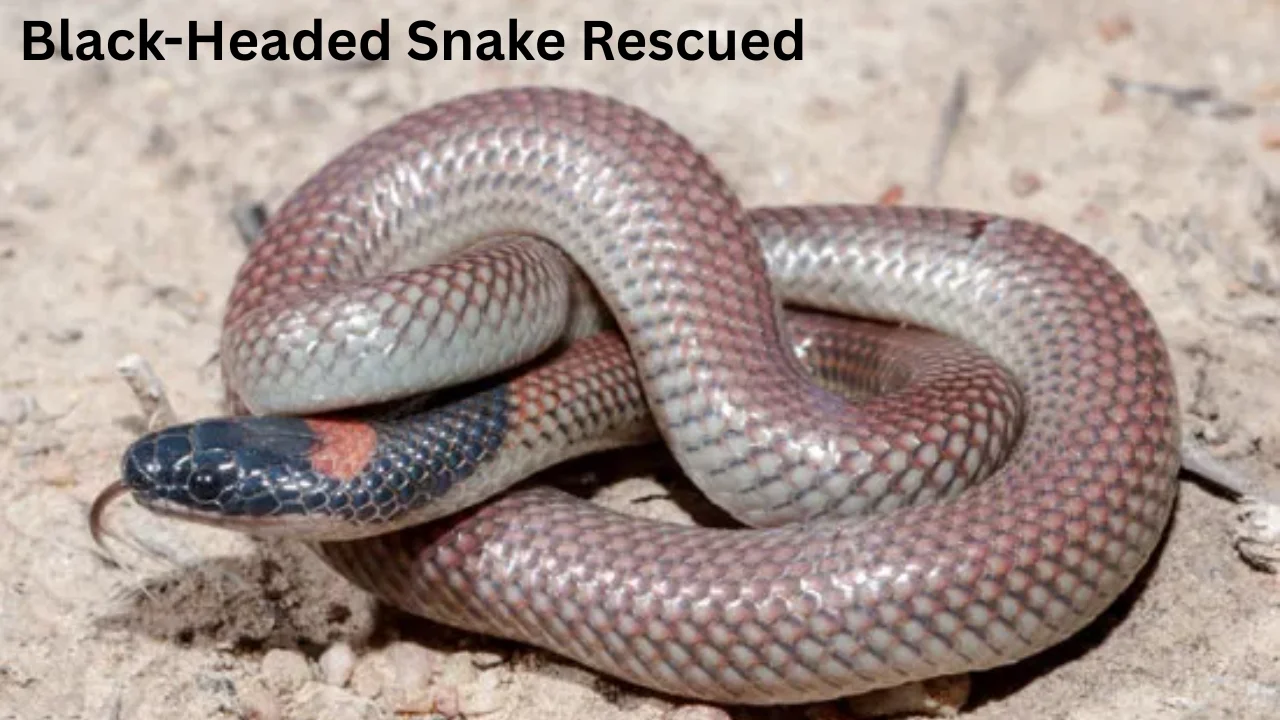
Black-Headed Snake Rescued are nonvenomous snakes. They do not bite any person or animal. Black-headed snakes often hiss and act aggressively to frighten people when they feel threatened. This is their way of defending themselves. So this method of the snakes is very threatening to the people. Every people achieve the education related to the wild life animals.
Physical Appearance and Identification
- The species has a flattened head, as most crevice-dwellers do. It is slender, brown, olive-grey, with a black head bordered by a white collar.
- The non-venomous snakes have no venom gland to help injected the people.
- They have two teath use only gripping to the prey and swelling.
- This snake’s head shape is more round and less triangular.
- Many non‑venomous snakes have round pupils rather than vertical slits seen in many venomous snakes.
- They use colours and patterns to hide from danger.
- Some non‑venomous snakes mimic venomous species’ colour patterns to scare predators even though they are harmless.
Habitat and Distribution in Pakistan
- The non-venomous snakes especially live underground.
- They can also be found in gardens, backyards and near human dwellings searching for prey.
- Some species like the water place, for example, ponds and canals, etc.
- These snakes hide during the day in debris, woodpiles or under rocks to avoid predators.
- Non-venomous snakes are not found in one place, city or the country— they live in many regions of Pakistan, including Punjab, Sindh and Khyber Pakhtunkhwa
- Their presence indicates healthy ecosystems with plenty of prey like rodents and insects.
Diet and Hunting Behaviour
- Non‑venomous snakes are carnivorous: they eat the larvae of beetles, caterpillars, centipedes, and millipedes.
- They don’t use venom to subdue prey; instead, many constrict or overpower their prey before eating.
- Some non‑venomous snakes will swallow their prey whole thanks to flexible jaws.
- Smaller non‑venomous species may hunt insects or small amphibians.
- Many are active at night or early morning when prey is active.
- Their diet helps control pests like rats and mice, which benefits farmers.
Non‑Venomous Snakes
- Non venomous snakes canot posoin in the glands and cannot be injected into people.
- Most of these snakes attack on the prey without use to the venome.
- They still have a teath these teath to attack their prey, but this bite cannot dangrous.
- Many non-venomous species help the environment by increasing the number of insects and rodents.
- Non‑venomous snakes are usually not aggressive and prefer to avoid people
Read more about: Nonvenomous Snakes
Defensive Behaviour: Hissing and Scaring People
- Non‑venomous snakes may hiss loudly to scare off threats.
- They often flatten their bodies or bluff like venomous snakes when threatened.
- Many will coil up and strike without venom only if they are directly threatened.
- These behaviours are defensive, not aggressive attacks.
- They often prefer to retreat rather than fight.
- Camouflage and stillness help them avoid detection by predators.
Common Human Encounters
- People see the snakes in the gardens, on trees and in related places.
- They enter the home with the help of the hols to eat the insects.
- Snakes sometimes emerge after rainy weather or during the monsoon season and may wander into inhabited areas.
- The snakes attack on the pray usualy night.
- People accidentally disturb hidden snakes under rocks or wood piles.
- Pets may provoke defensive reactions by approaching or chasing the snake.
Safety Tips When You See One
- Tay the calm if you see the snake, do not produce voice.
- Keep a safe distance and avoid sudden movements.
- Any person do not touch the snake or catch it.
- If possible, watch quietly until it moves away.
- Keep children and pets away from the area.
- In this case, alert the rescue team and give them the details.
First Aid in Case of a Bite
- If a non‑venomous snake bites, wash the wound with clean water and soap.
- The people should clean the snake bite area so as not to spread the infection in this place.
- Do not cut or try to suck venom — since it’s non‑venomous, this isn’t needed.
- Apply a clean bandage if necessary to protect the wound.
- Watch for redness, swelling or irritation — get medical help if that occurs.
- Always seek professional care if unsure to prevent infection.
Role in Nature and Ecosystem
- Non‑venomous snakes help control rodent populations and pests.
- They are a mid‑level predator in the food chain.
- Their presence shows a healthy and balanced environment.
- They reduce the spread of crop damage by eating pests.
- The non-venomous snakes maintain the ecosystem level.
Interesting Facts About Snakes
- Most snake species worldwide are non‑venomous.
- Non‑venomous snakes often kill prey by constriction rather than poison.
- They can swallow prey much larger than their head because of flexible jaws.
- Some harmless snakes mimic venomous ones to protect themselves.
- A harmless bite should be cleaned and avoid to avoid infections.
- These species’ behaviour is very important in the environment.
Conclusion
The non-venomous snakes do not harm people or any other big animals. They eat only insects, Birds, and underground animals. These species usually live underground, and sometimes enter through the holes. People often plaster the inside of their homes but leave the outside walls unfinished, and because of these gaps and cracks on the outside, snakes can easily enter the house. These snakes found the food in any place. These species do no harm to people. Every person achieves the education of the wild life.
FAQ’s
Why do snakes enter houses?
Snakes often enter the home in search of food.
Can snakes enter through small gaps?
Yes. Snakes can easily enter the home through the tiny wall holes, etc.
Do snakes stay in the house by choice?
yes sometimes they live in a quiet home, usually leave and avoid these places
Why do snakes come inside during rainy weather?
Heavy rain floods their burrows, so snakes may move toward houses for a dry and safe shelter.